CSD Harmonic Drive Gearboxes: Precision Engineering & Global Integration

Unlocking Zero-Backlash Efficiency and Ultra-Compact Motion Control for Robotics, High-Speed CNC Automation, and Industry 4.0 Applications.

20+
Years R&D Excellence
< 10
Arcsec Backlash
300+
Customized Solutions
100%
Quality Guaranteed

Industrial Whitepaper: The Evolution of CSD Harmonic Drives

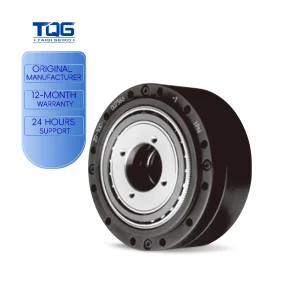
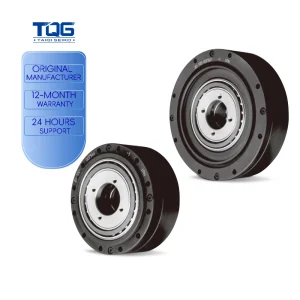
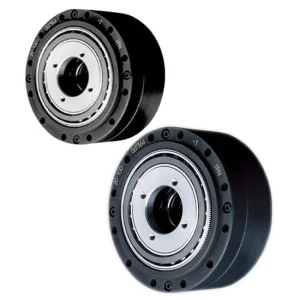
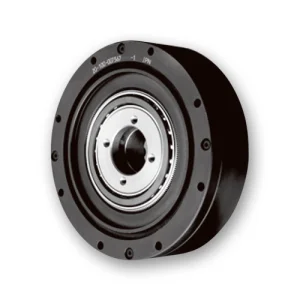
In modern industrial kinematics, the demand for precision, density, and reliability has triggered a structural paradigm shift away from traditional backlash-prone gear arrangements. Among the various solutions, the CSD Harmonic Drive Gearbox represents a crucial innovation. Originally designed to address space constraints in robotic joints without sacrificing mechanical integrity, the CSD series features a unique hollow shaft design and a ultra-flat profile that distinguishes it from standard cup-style gearboxes.

By employing a non-conjugate gear tooth profile and capitalizing on the elastic dynamics of a thin-walled flexspline, the CSD gearbox accomplishes a remarkable engineering feat: true zero-backlash operation combined with high torque transmission within a housing nearly half the depth of conventional gear sets. This makes CSD gearboxes the preferred mechanism for designers building advanced human-robot collaboration (cobots), medical surgical robots, and ultra-high-definition semiconductor wafer positioning stages.

Current Global Trends in High-Precision Transmission Sourcing

The global mechanical transmission market is undergoing a rapid evolution characterized by three distinct trends:

  • Minimization and Mass Reduction: Collaborative robotic arms require light, compact joints at their axes to minimize inertia, lower energy consumption, and guarantee human safety. The CSD series' compact form factor directly supports this design direction.
  • Hollow Shaft System Integration: Routing feedback encoders, power supplies, pneumatic tubes, and signal lines internally through joint axes eliminates external wiring harnesses, reducing cable wear and preventing accidental snagging during operation.
  • Unparalleled Longevity & Performance Stability: Global supply chains require hardware components to operate continuously under high-stress conditions. In response, modern manufacturers use specialized surface treatments and cleanroom assembly techniques to ensure the gear set retains its low angular transmission error over millions of load cycles.

Hollow Shaft Configuration

The central bore allows electrical, communication, and mechanical lines to pass directly through the gear axis, enabling clean, uninterrupted multi-axis rotations.

Zero Backlash Performance

By engaging multiple gear teeth simultaneously on opposite sides of the flexspline, the system eliminates rotational play for exceptional positioning accuracy.

High Torque-to-Weight Ratio

The CSD design distributes loads across a large contact area, permitting high output torque ratings while remaining exceptionally lightweight.

China Industry 4.0: Supply Chain Resilience & Efficiency

For procurement officers and manufacturing engineers in the Americas, EU, and Asia-Pacific, selecting a precision speed reducer supplier involves evaluating more than just part specifications. Key purchasing criteria also include supply chain predictability, material traceability, long-term engineering support, and competitive Total Cost of Ownership (TCO).

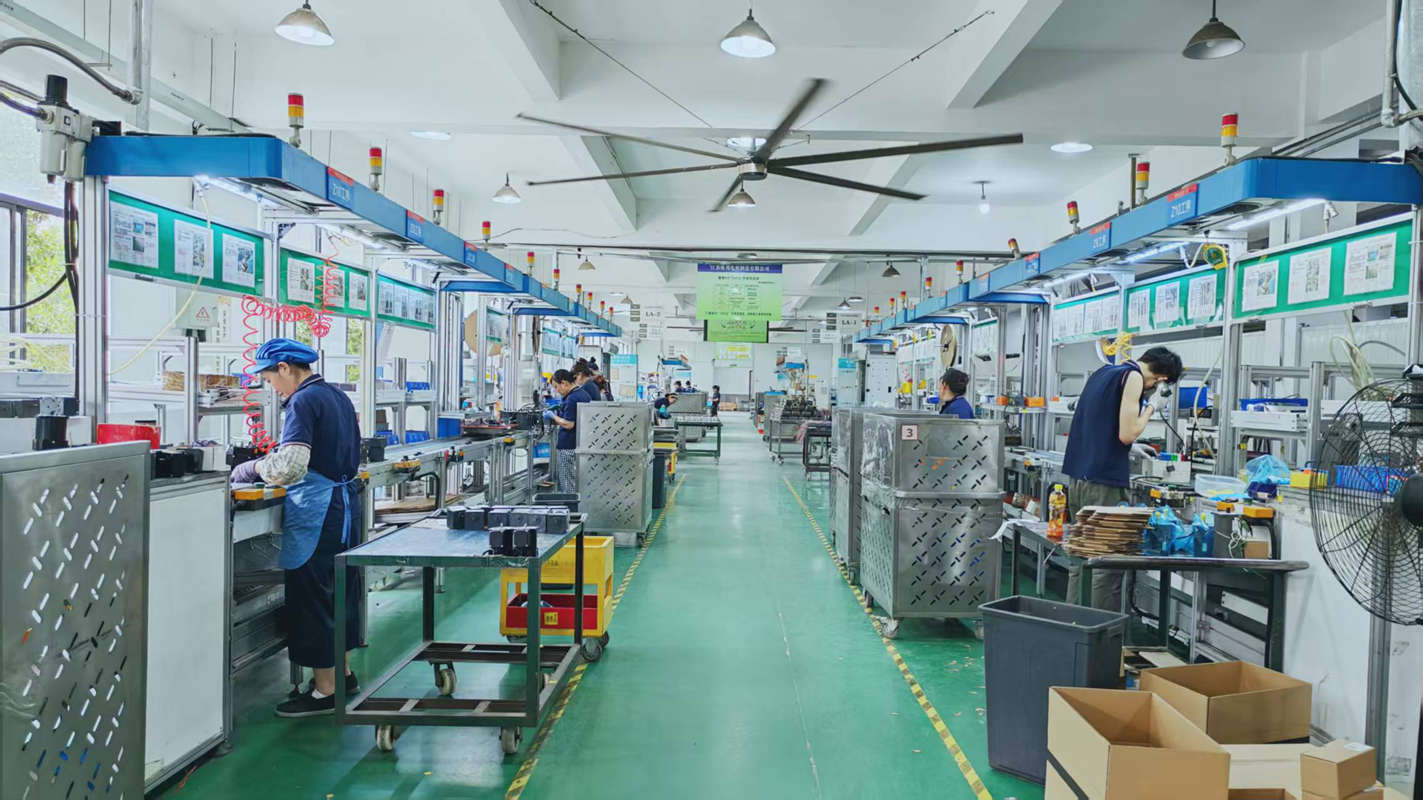
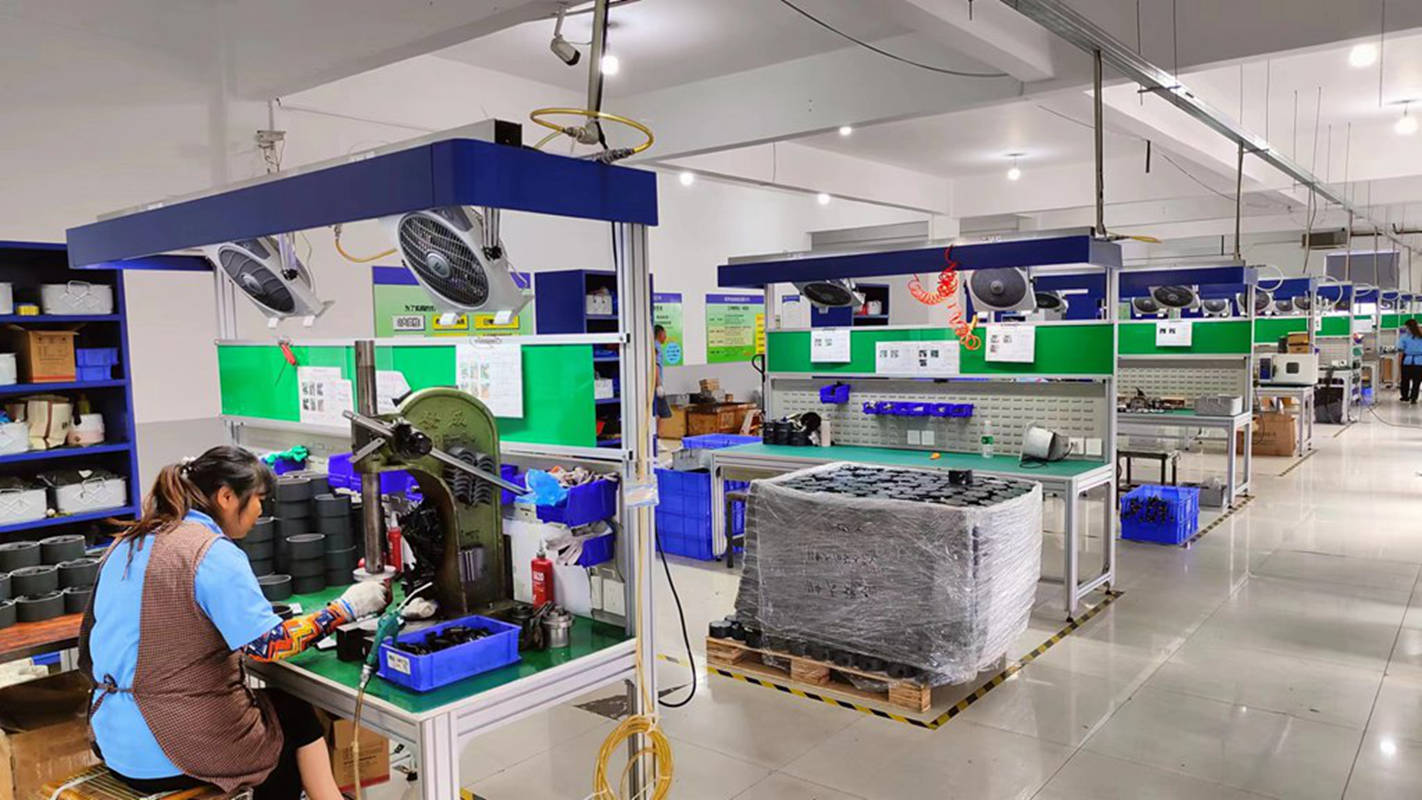
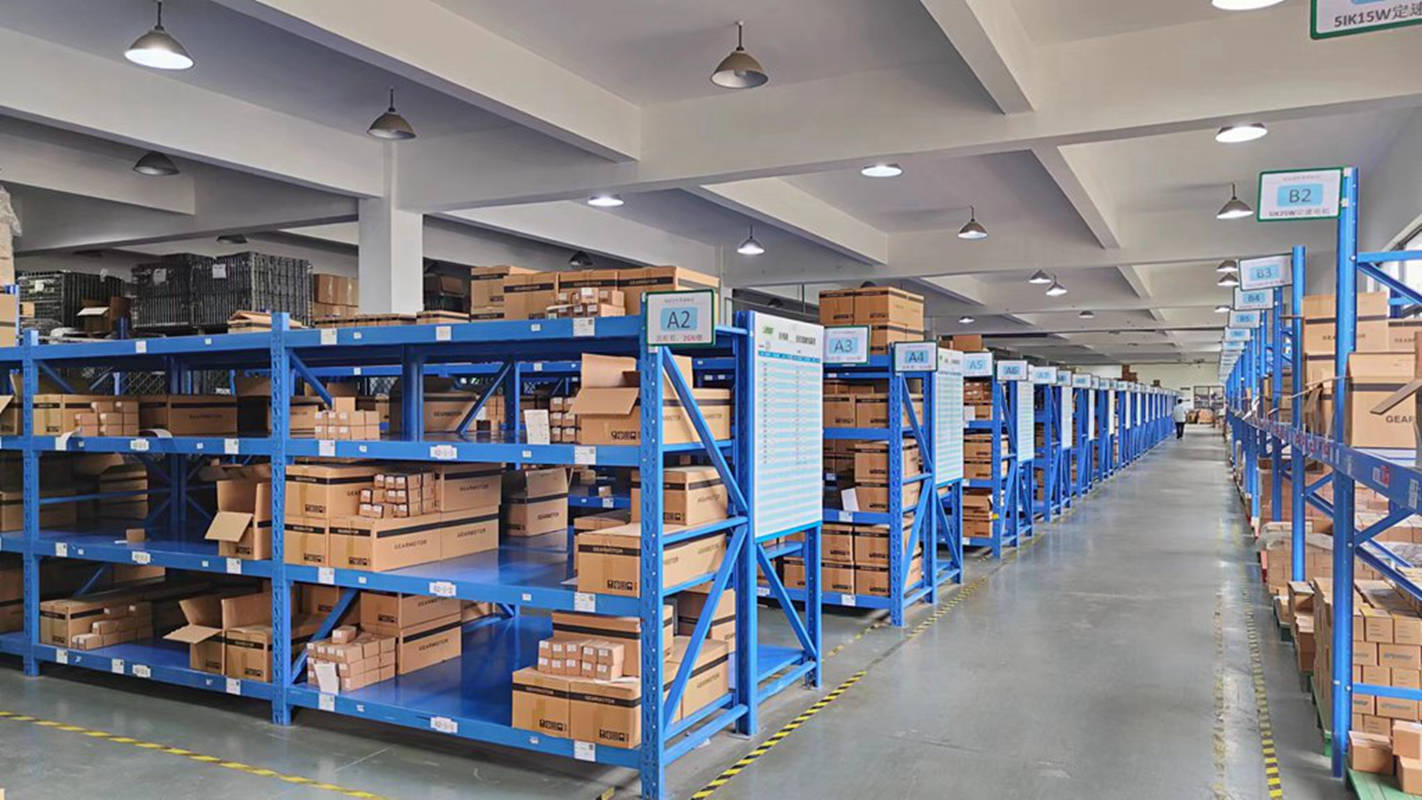
Boxtop Electromechanical Equipment (Shenzhen) Co., Ltd. has spent over two decades building a precision manufacturing environment that addresses these specific requirements. By housing advanced engineering research alongside high-throughput production lines, Boxtop offers rapid prototyping, customized gear ratios, and structured volume manufacturing. This unified approach mitigates supply chain risks and ensures consistent product quality.

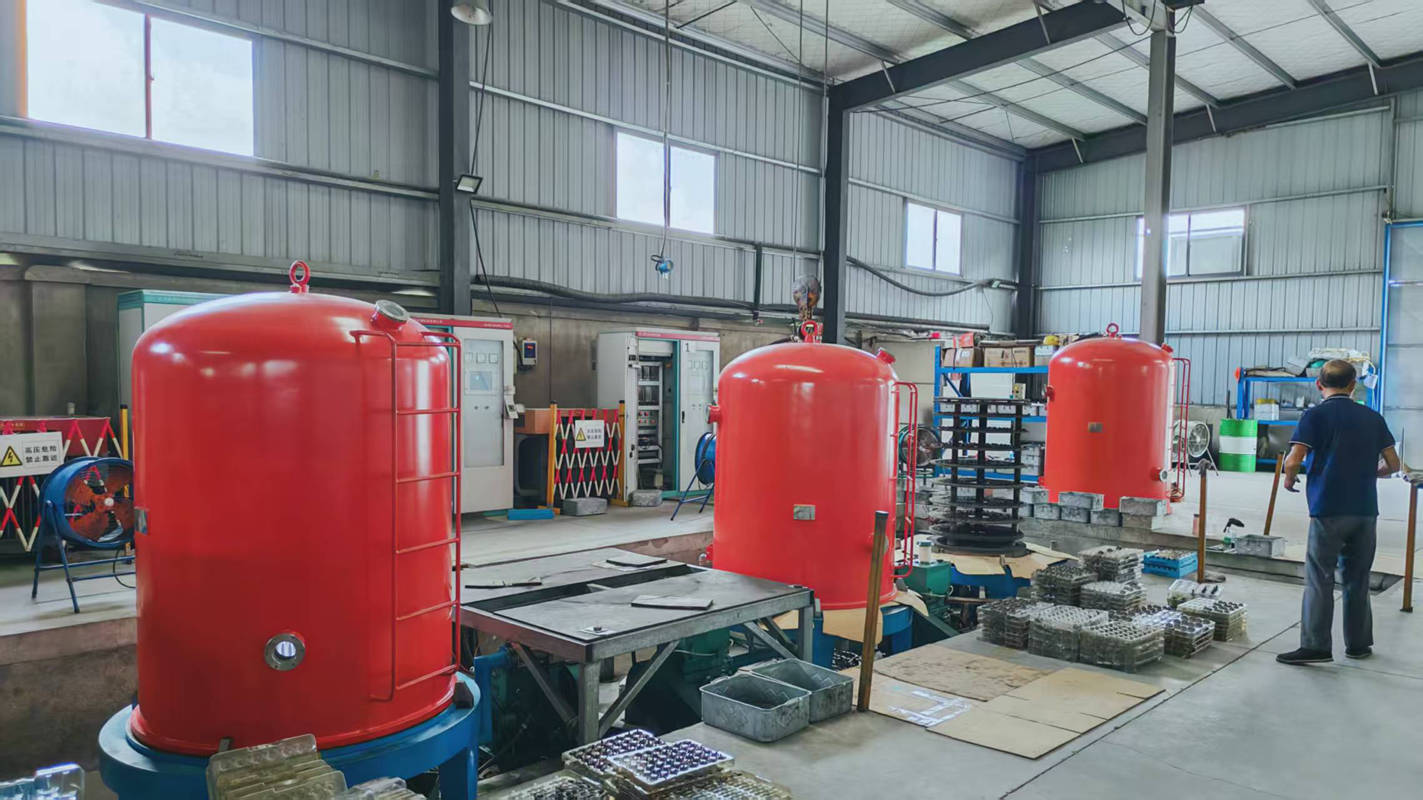
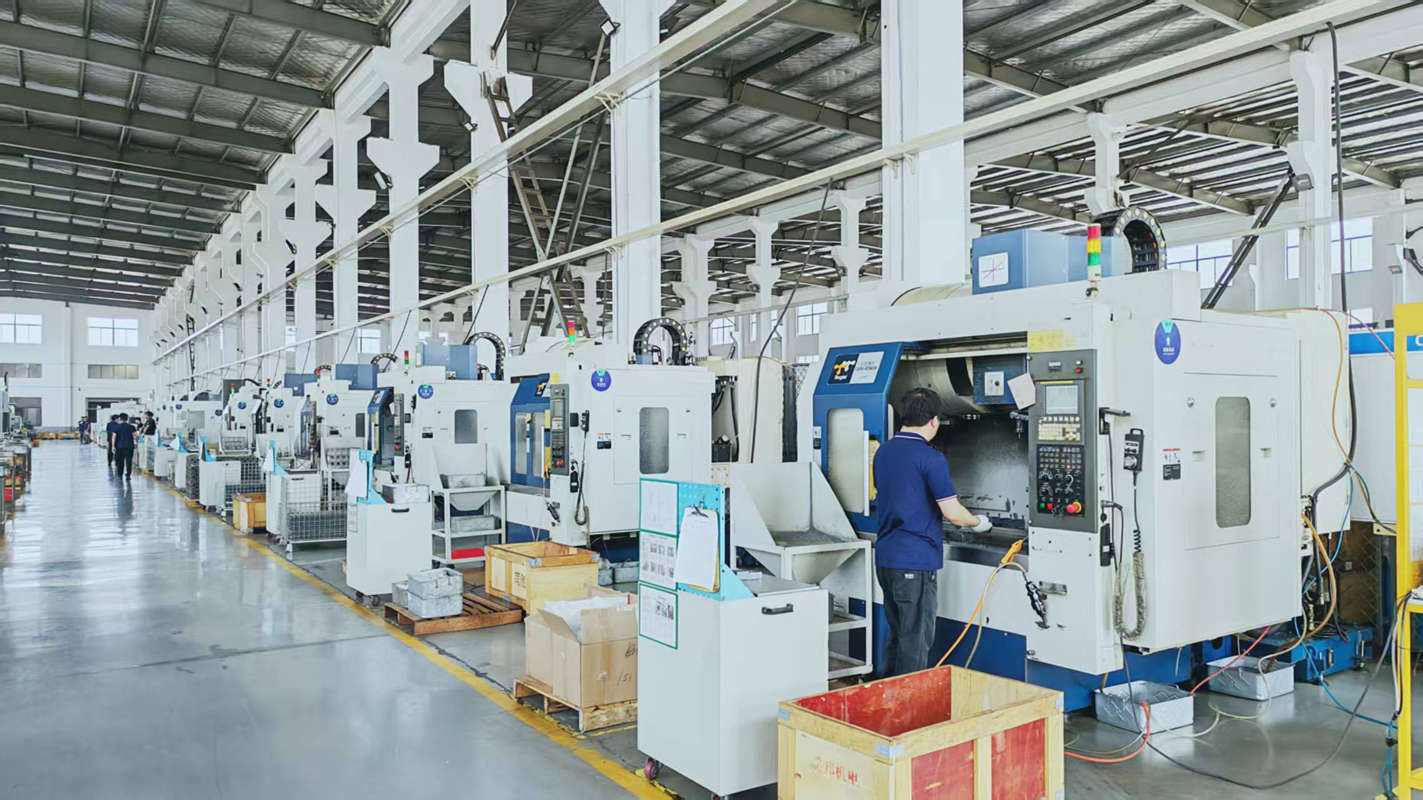
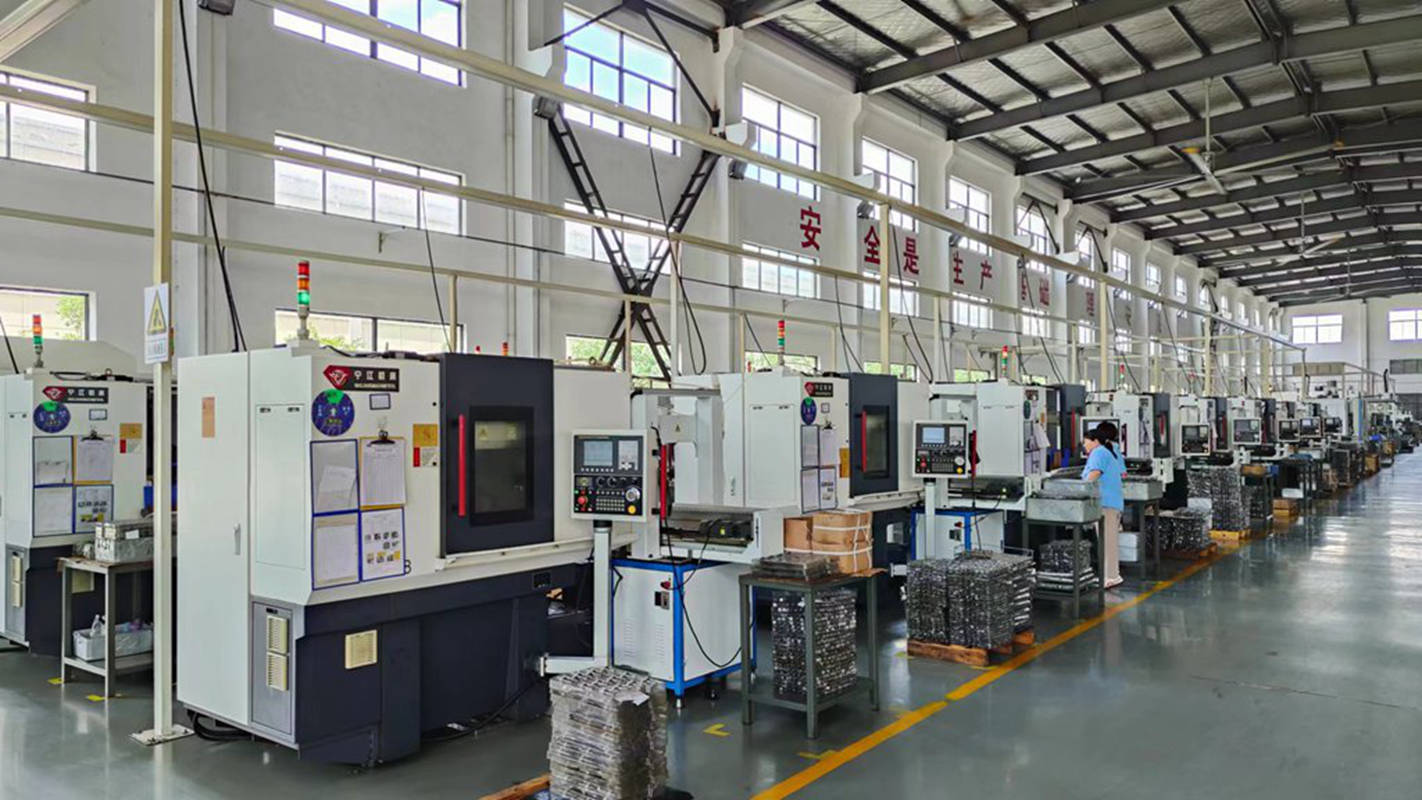
China's Industry 4.0 framework emphasizes smart manufacturing hubs that integrate real-time quality control, computer-aided testing (CAT), and optimized logistics. Operating out of Shenzhen, the focal point of global hardware development, Boxtop relies on sophisticated gear-cutting machinery, automated heat treatment, and precision testing labs to maintain consistent manufacturing tolerances.
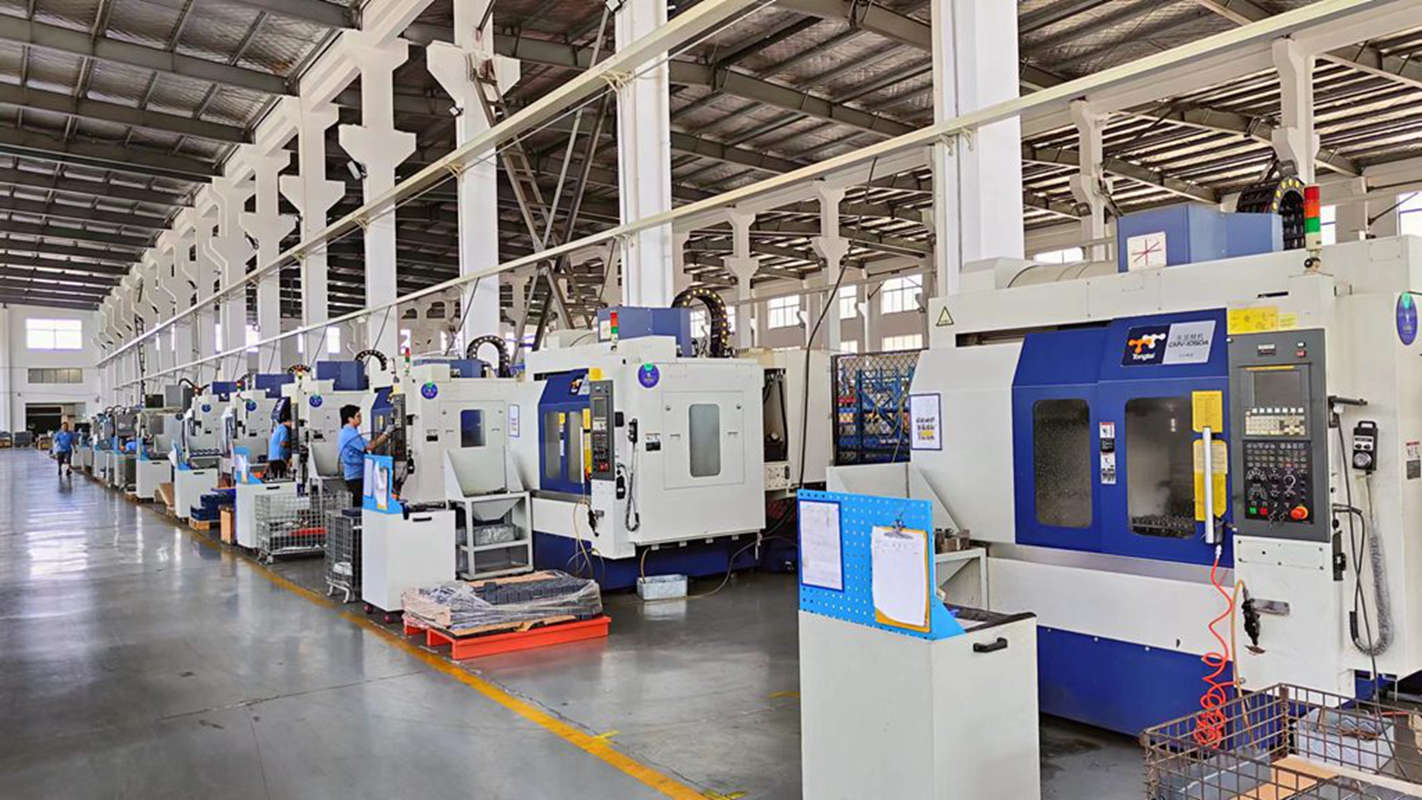
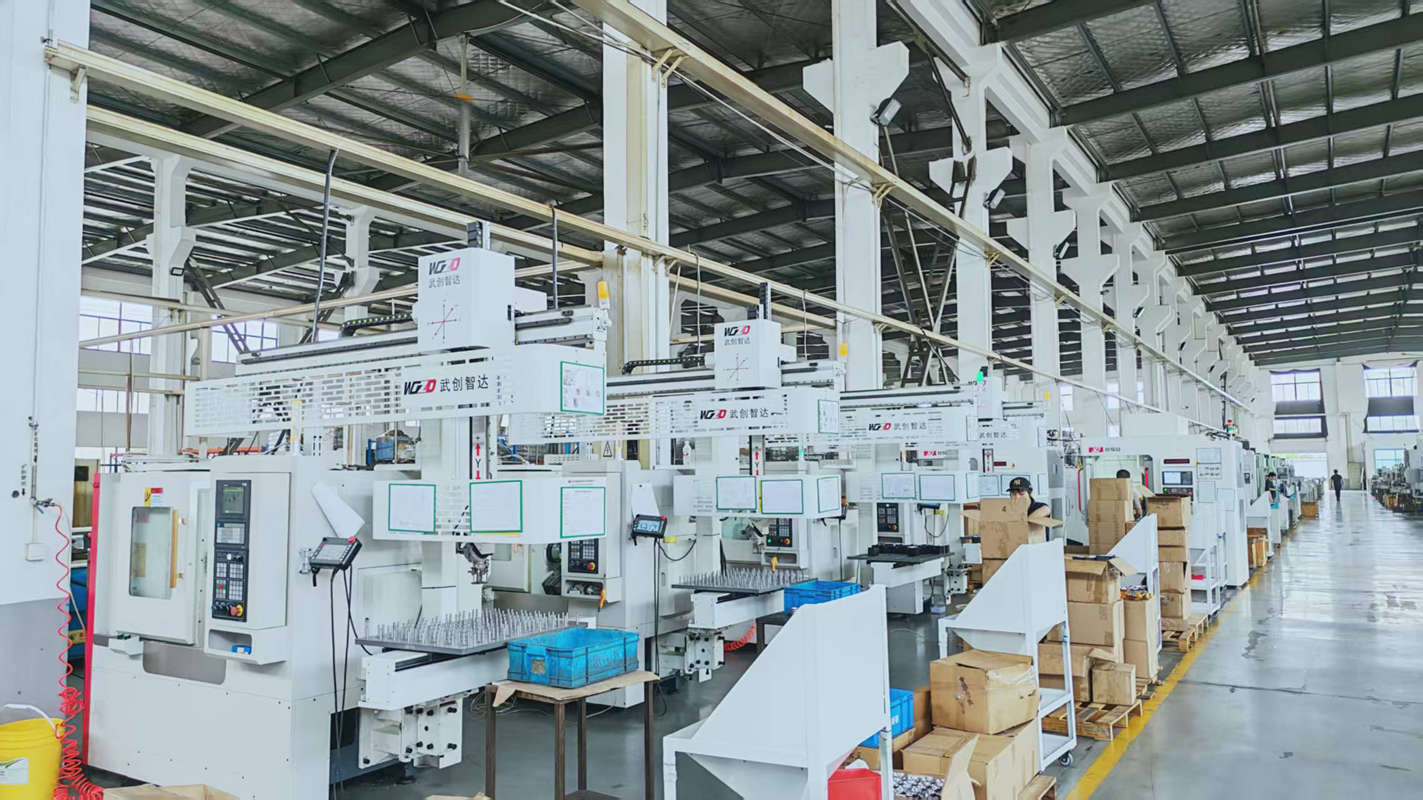
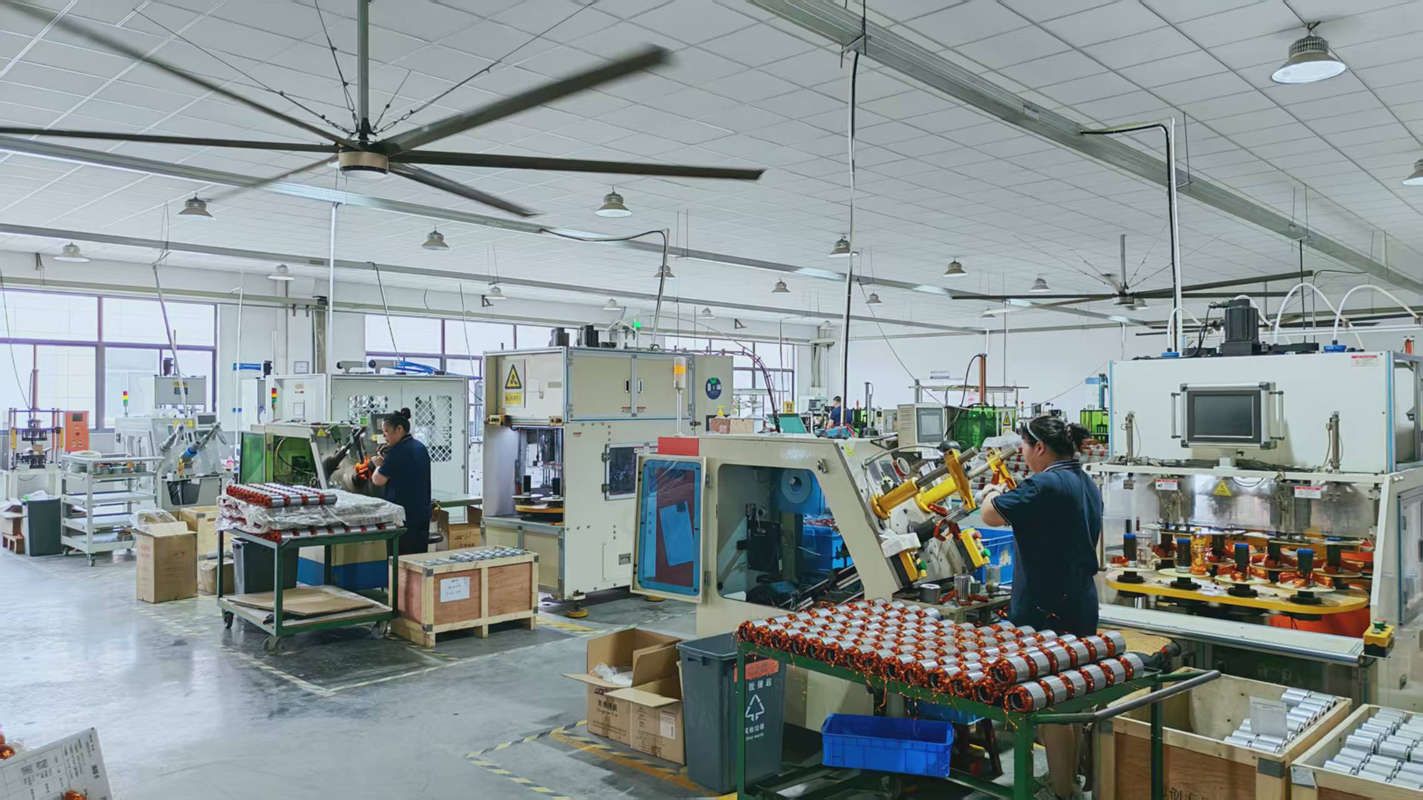
Boxtop Electromechanical Shenzhen Factory Precision Motion Control Production
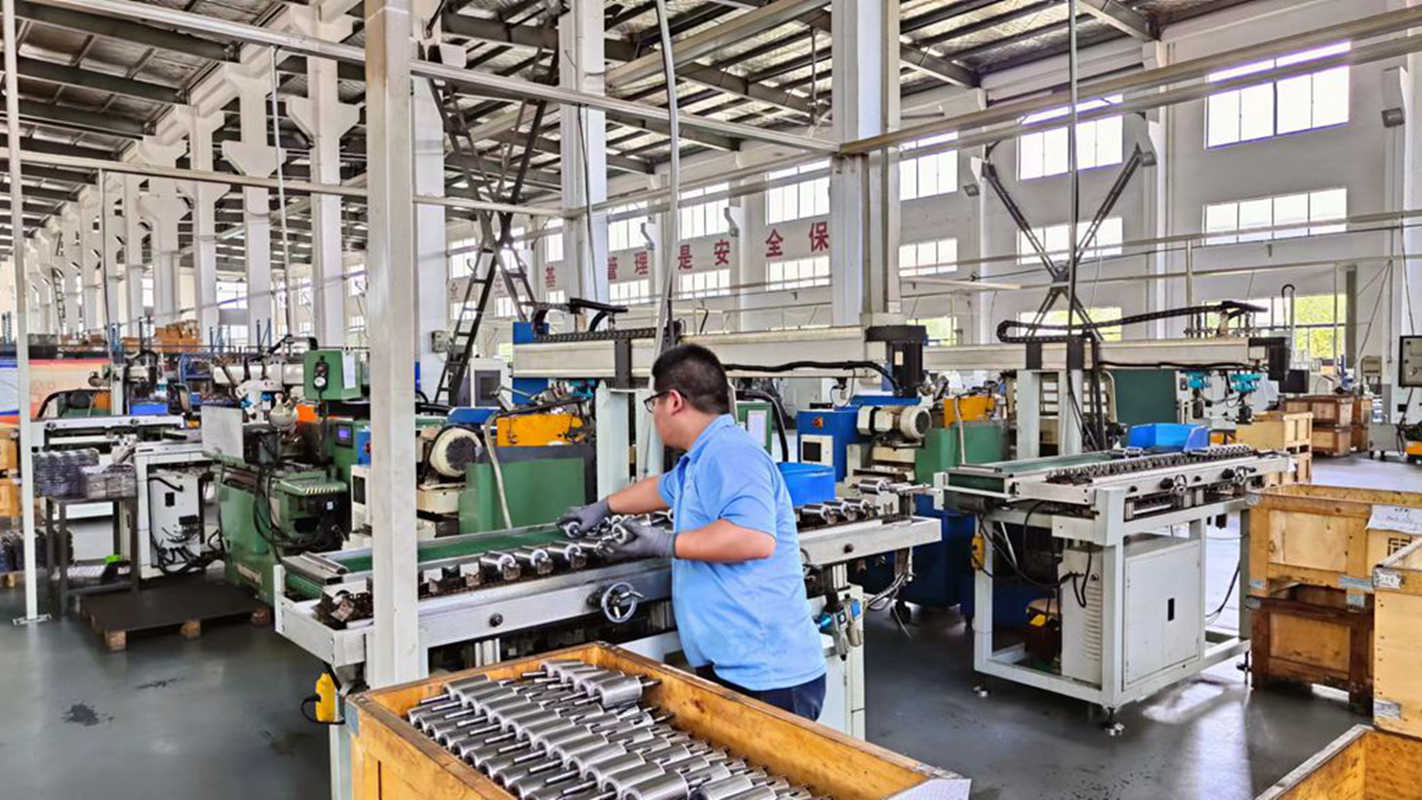
Boxtop Shenzhen Facility: Integrating R&D and Mass Production

Advanced Manufacturing Infrastructure

A precision gearbox is only as reliable as the machinery used to produce it. Boxtop invests heavily in premium tooling, utilizing German KOEPFER and Japanese HAMMI gear-hobbing systems. This top-tier equipment ensures the teeth profiles on the flexspline and circular spline remain accurate to within single-digit micrometers. This strict manufacturing precision directly translates to low transmission error, reduced noise signatures, and minimized friction losses.

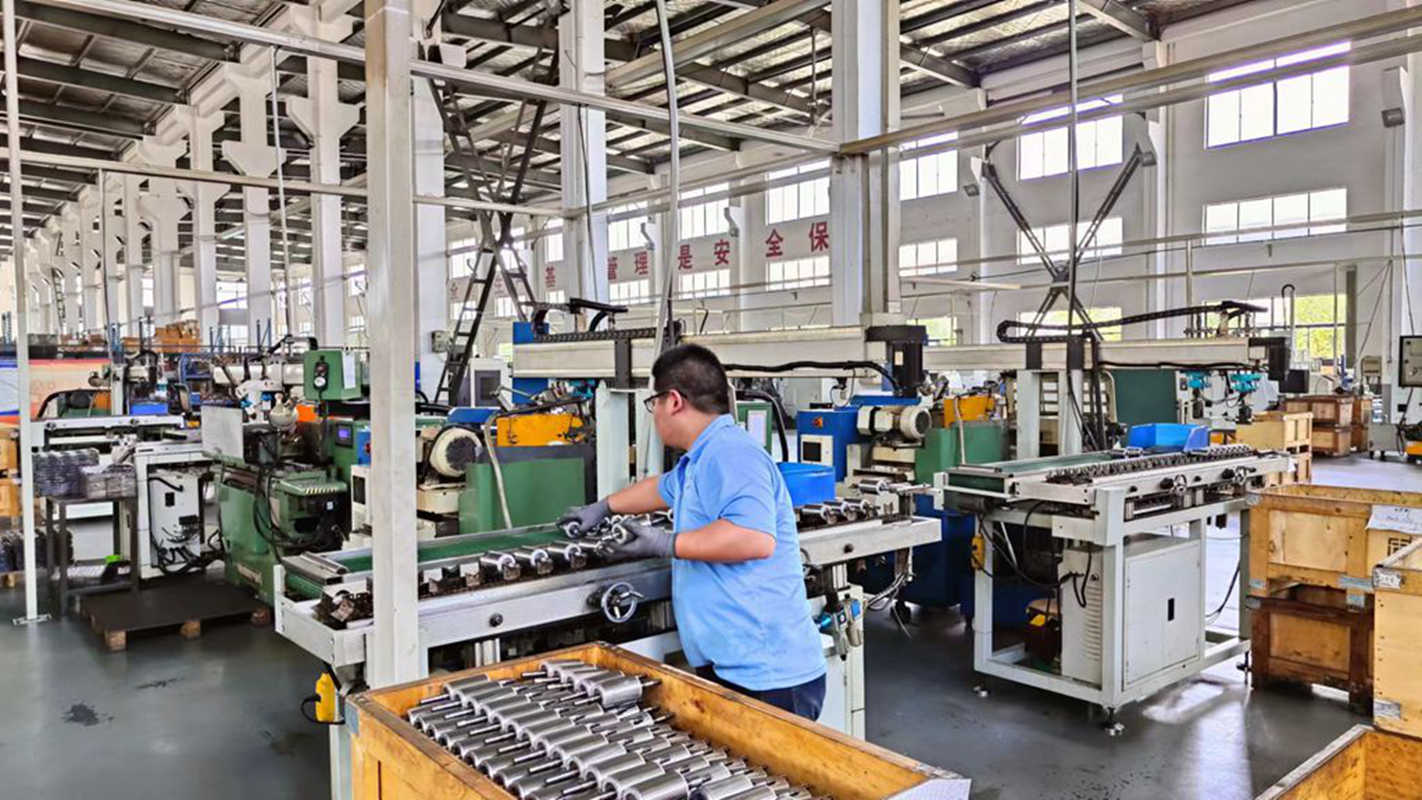
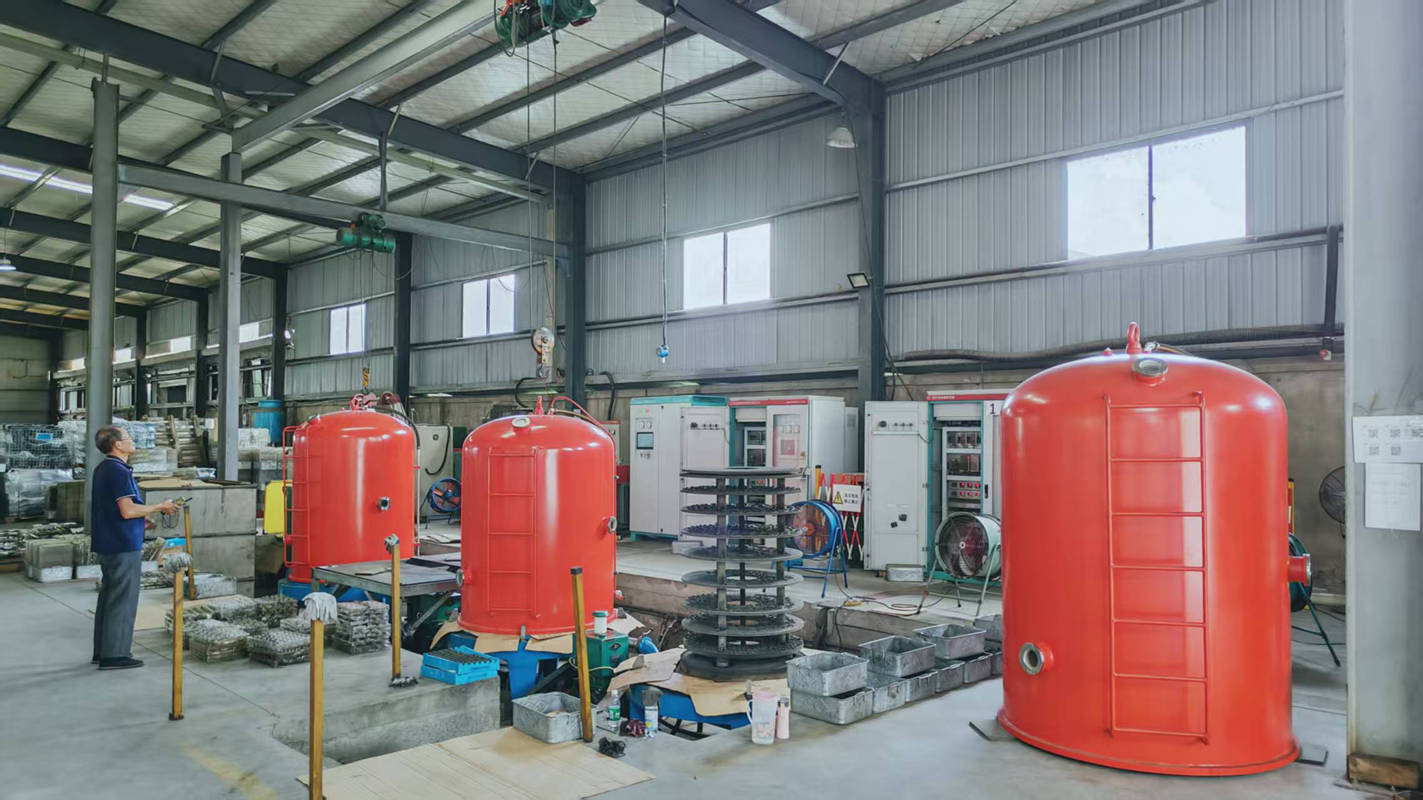
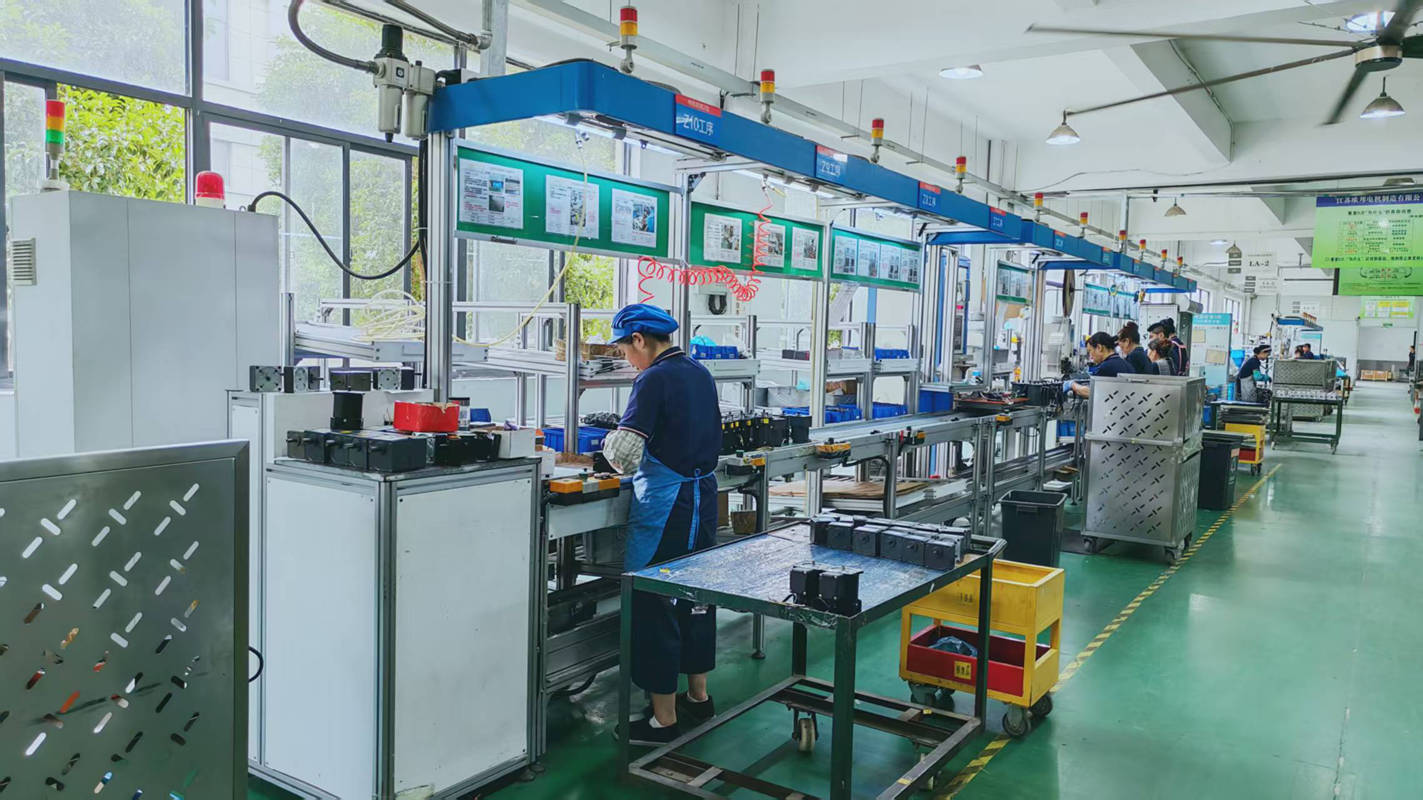
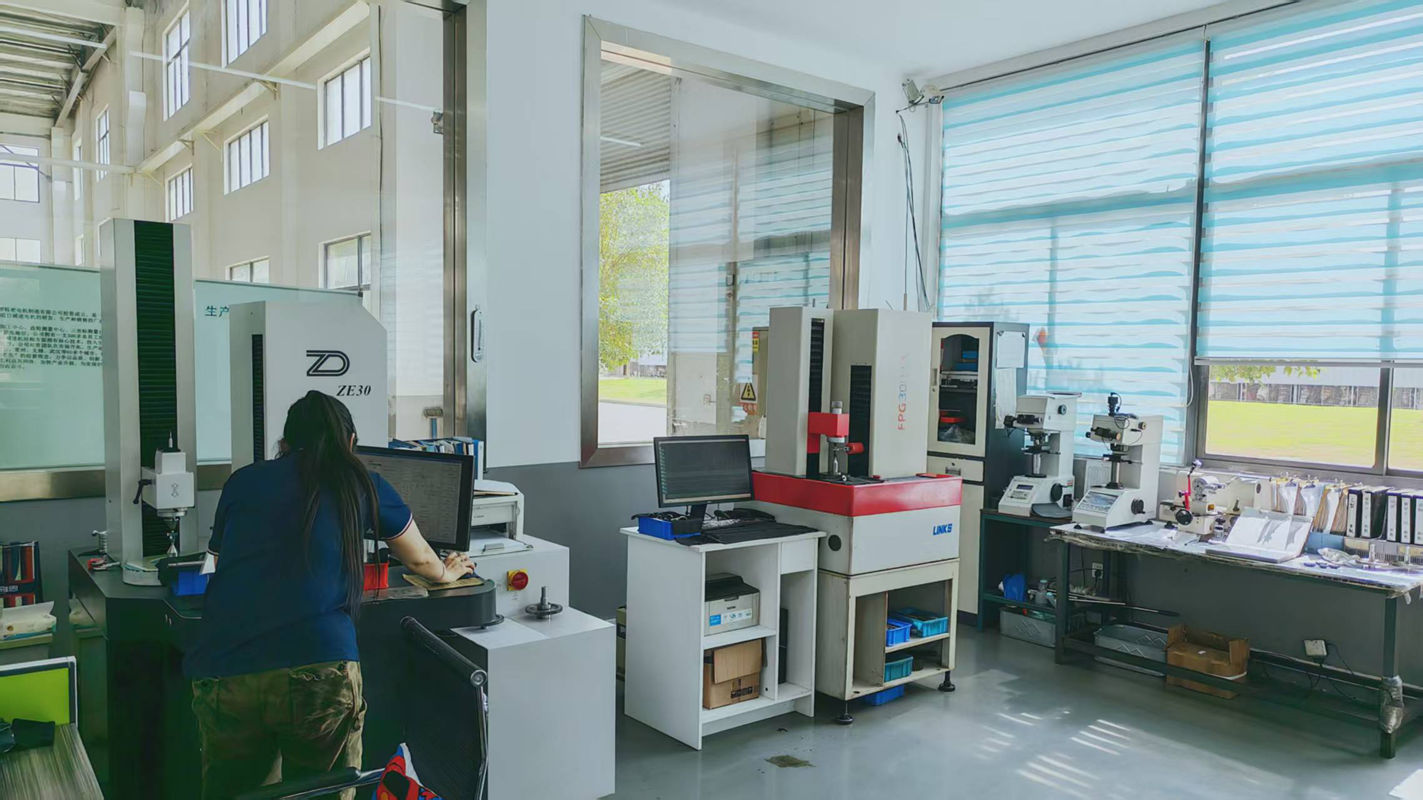
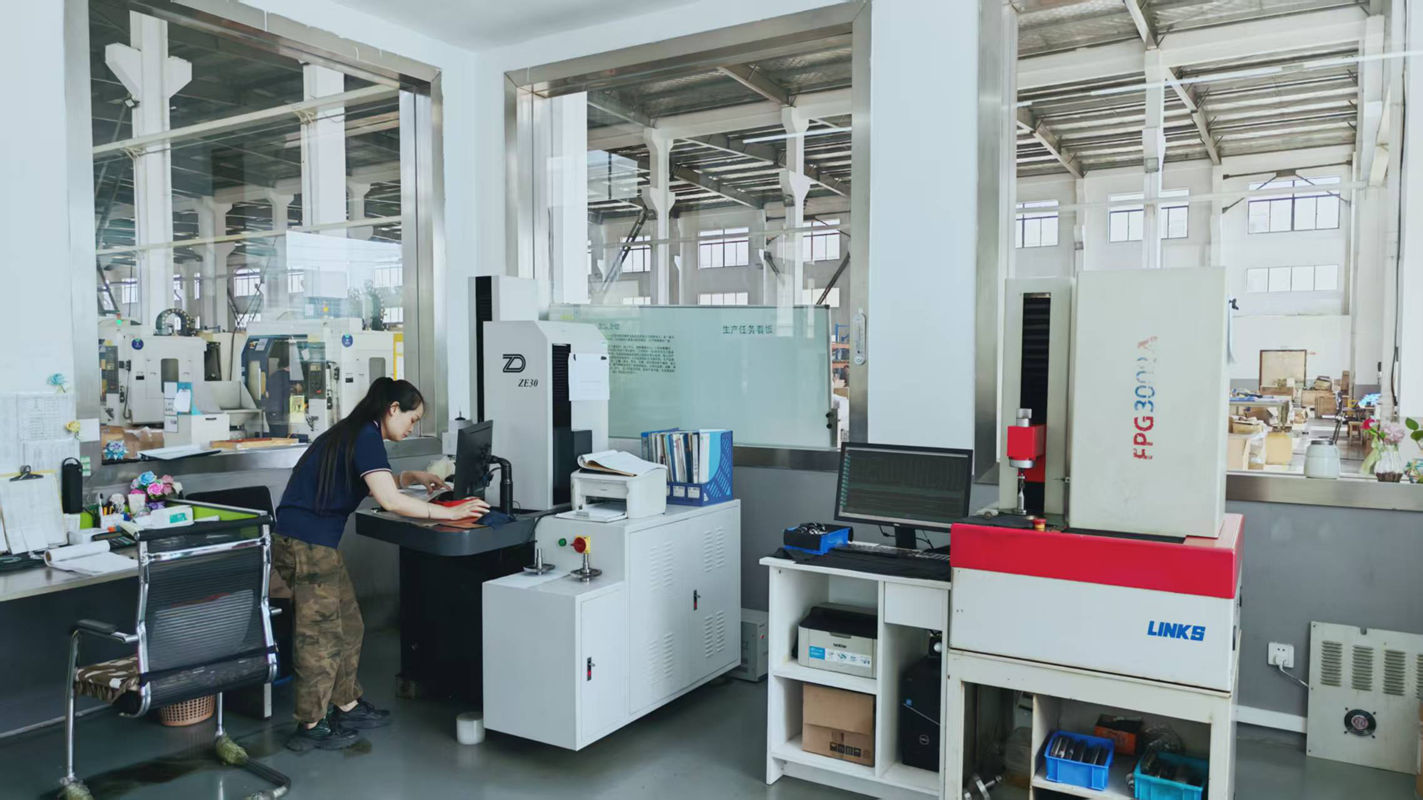
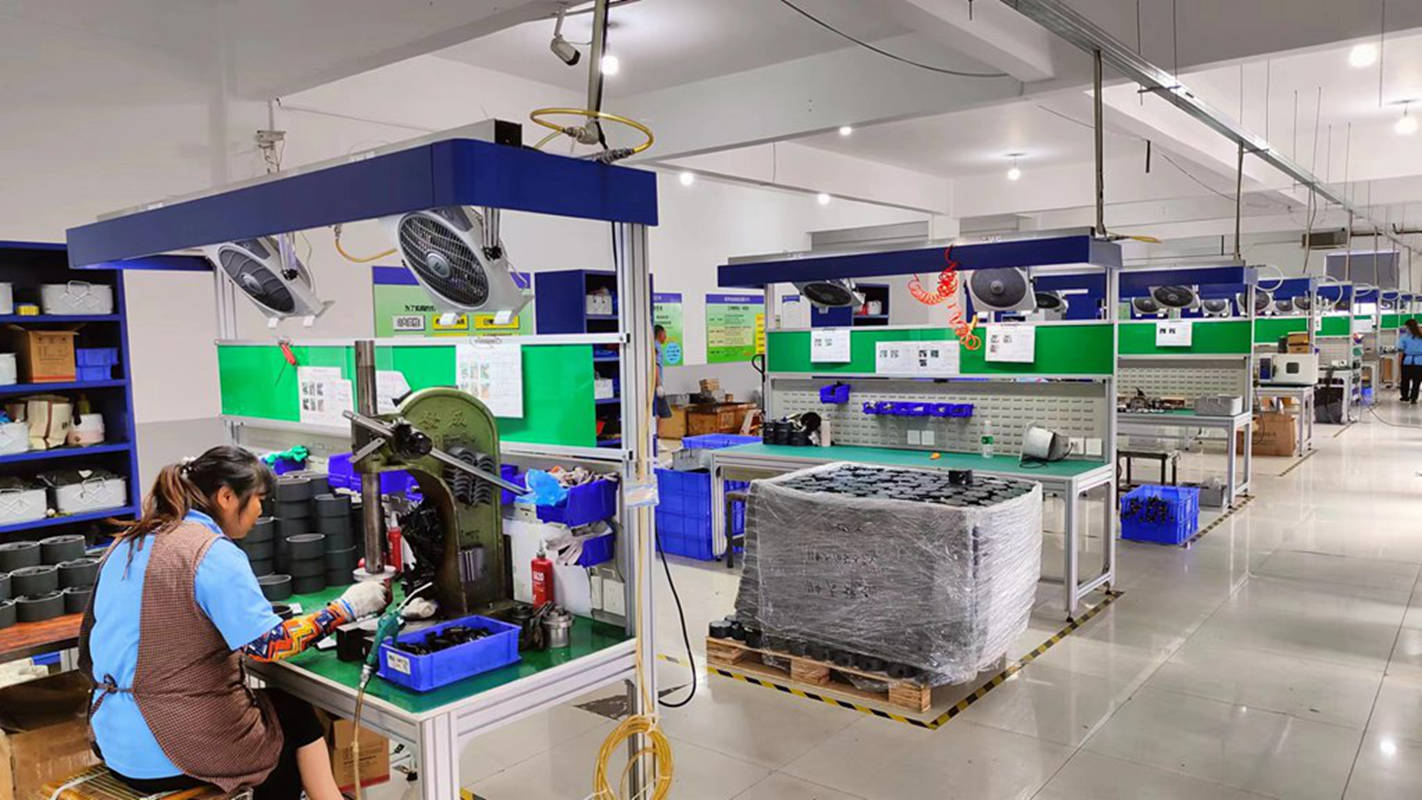
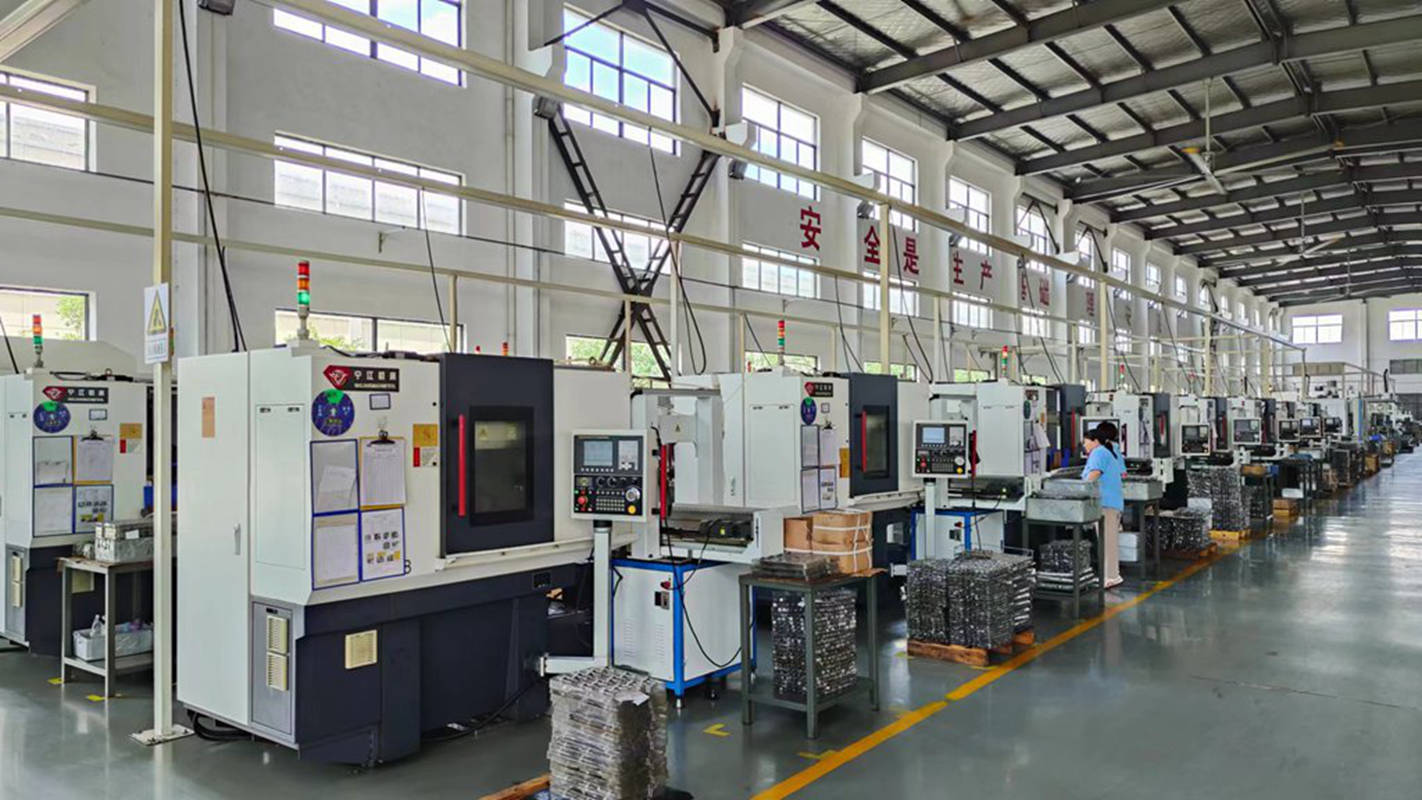
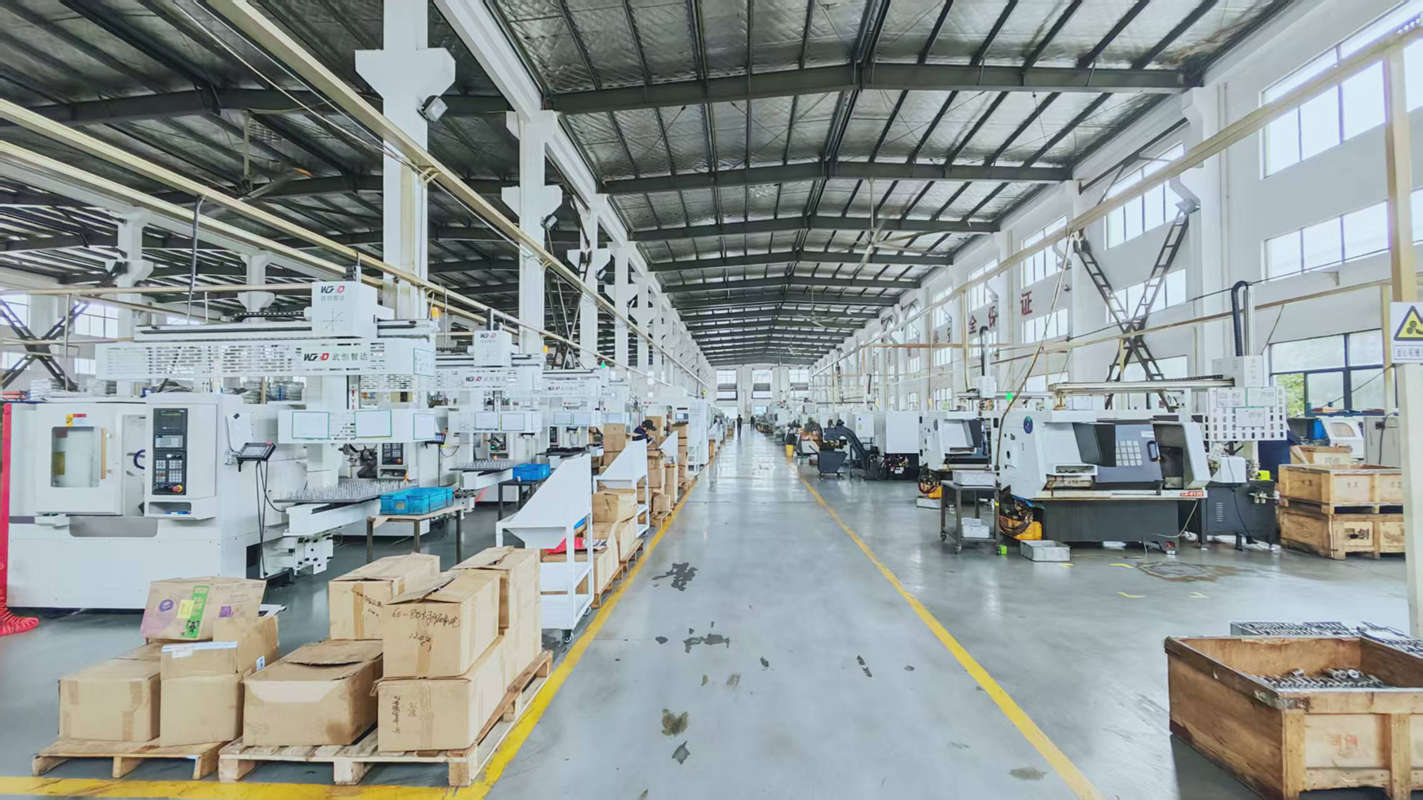
Inside Boxtop: Advanced Production Processes & Quality Control

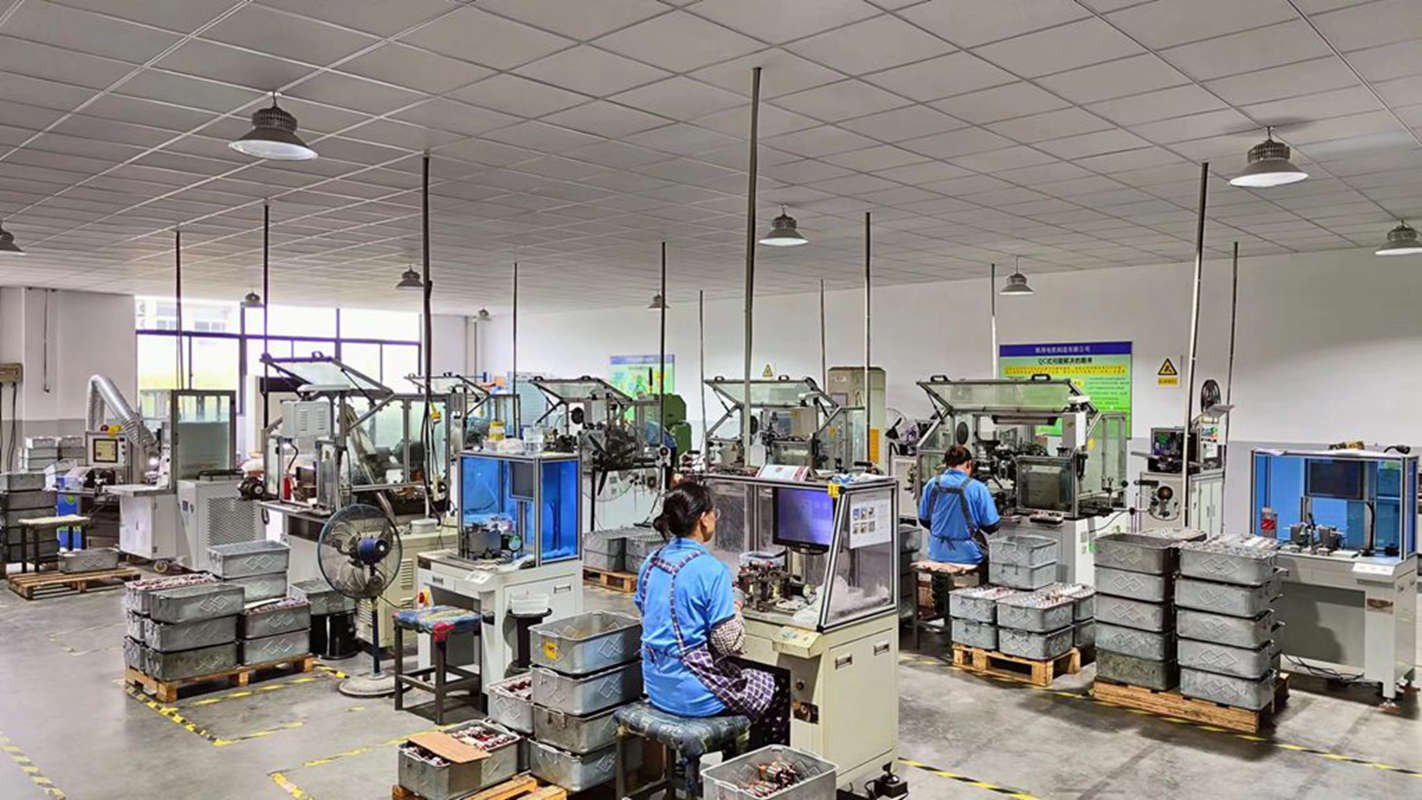
Explore our comprehensive manufacturing facility, where raw steel is converted into high-precision motion control components through CNC machining, heat treatment, cleanroom assembly, and laboratory quality checks.
Engineering Specifications: CSD Mechanics Deep Dive

The operational performance of the CSD series relies on high-quality material science and precision component engineering. The core assembly consists of three primary components:

  1. The Wave Generator: An elliptical steel disk surrounded by a flexible ball-bearing assembly. When coupled to the input motor shaft, it transfers its elliptical rotation to the flexible spline.
  2. The Flexspline: A thin-walled, elastomeric, non-magnetic steel cup with external gear teeth. The flexspline deforms dynamically under the rotation of the wave generator, but maintains high torsional rigidity.
  3. The Circular Spline: A rigid, internal ring gear with internal teeth. The circular spline contains more teeth than the flexspline (typically two more), which governs the final gear reduction ratio.

During operation, the elliptical rotation of the wave generator causes the flexspline teeth to engage with the circular spline at the major axis of the ellipse. With every full rotation of the wave generator, the flexspline shifts counter-rotationally by the difference in tooth count. This basic principle yields high gear reduction ratios (typically 30:1 up to 160:1) in a single compact stage.

Torsional Rigidity and Backlash Under Dynamic Loading

In high-speed robotic axis controls, system resonance can compromise accuracy. Boxtop's CSD series address this issue through a robust mechanical design:

  • Cross-Roller Output Bearings: The design incorporates integrated high-rigidity cross-roller bearings that directly support external radial, axial, and moment loads. This design choice eliminates the need for external support bearings, reducing overall assembly space requirements.
  • Custom-Formulated Lubrication: Standard grease can break down under the localized heat generated by micro-sliding at the teeth interfaces. Boxtop uses specialized, synthetic lubricants that maintain a stable oil film under high contact pressures, preventing premature wear and keeping backlash below 10 arc-seconds over the unit's lifespan.

Industrial Integration & Application Environments

Precision transmission components are critical across multiple high-tech industries. Below are the primary integration scenarios for the CSD series:

1. Multi-Axis Robotics & Collaborative Systems (Cobots)

Unlike standard industrial robots isolated behind safety enclosures, collaborative robots work alongside human operators. This operational environment requires compact, lightweight joints to limit impact energy in the event of contact. The CSD series' compact design enables engineers to mount the speed reducer directly inside the arm joints, saving space while maintaining high torque density and responsiveness.

2. Advanced Semiconductor Fabrication & Vacuum Systems

In silicon wafer handling, even minor vibrations can cause alignment issues and damage sensitive components. The zero-backlash performance of the CSD series ensures smooth rotational speeds and precise positioning during transport. Furthermore, our specialized cleanroom models use vacuum-compatible greases to prevent outgassing and contamination in vacuum chambers.

3. Precision Medical & Surgical Assist Systems

Surgical robotics require highly accurate movement control. The low hysteresis loss and minimal backlash of the CSD-17 and CSD-20 gearboxes enable precise mechanical feedback loops. This precision allows surgical instruments to execute sub-millimeter movements reliably, ensuring consistent positioning during delicate procedures.

4. High-Precision CNC Indexing Tables & Tool Changers

High-speed machining centers require quick and accurate tool changes. Standard worm gear systems can wear down and develop play over time. A pre-loaded CSD reducer maintains consistent positioning accuracy over long-term operation, helping minimize cycle times and improve surface finish quality in precision machining applications.

Frequently Asked Questions: Technical Kinematics & Sourcing

What are the main design differences between the CSD and CSF series harmonic drives?
The primary difference lies in their mechanical form factors and shaft layouts. The CSF series uses a standard cup-shaped flexspline and is designed for applications where length constraints are less critical. In contrast, the CSD series features a flat, short-profile structure with an integrated hollow shaft. This design reduces axial length by approximately 50%, making it ideal for compact spaces like robotic arm joints where signal cables and routing must pass through the center of the axis.
How does a hollow-shaft CSD harmonic drive maintain zero backlash over its operating life?
Zero-backlash is achieved through the continuous elastic deformation of the flexspline against the circular spline. Unlike conventional spur gears that contact at only one or two teeth, about 30% of the teeth in a harmonic drive are engaged simultaneously. This distributed tooth engagement eliminates mechanical play. Furthermore, the pre-load on the elliptical wave generator ensures the gear teeth remain fully engaged, minimizing wear-induced play over the gearbox's operational lifespan.
What causes transmission errors in harmonic drive gearboxes, and how are they minimized?
Transmission errors are primarily caused by minor profile deviations in the gear teeth and eccentricity in the wave generator assembly. Boxtop minimizes these errors by using precision CNC hobbing machines from manufacturers like Koepfer and Hammi. This high-precision tooling keeps angular transmission errors within 10 to 30 arc-seconds. Additionally, every production run is verified using specialized gear inspection instruments in our laboratory to ensure consistent quality.
Can these gearboxes operate in vacuum or cleanroom environments?
Yes. Boxtop designs customized gear configurations for specialized environments, including vacuum chambers and medical cleanrooms. These models use stainless steel construction, specialized vacuum-compatible greases to prevent outgassing, and cleanroom-approved sealing materials to protect high-precision applications.
What are the lead times for custom gear ratios and custom inputs?
Standard CSD series reducers are typically stocked at our facility. Custom designs—such as modified input shafts, special flange mounts, or non-standard reduction ratios—require an engineering review. Once drawings are approved, production lead times generally range between 4 to 6 weeks, depending on the complexity of the design and the availability of raw materials.
How does Boxtop ensure material quality for high-torque applications?
We use high-grade structural alloys, such as 40CrNiMoA, for our gear components. Our in-house heat treatment facility allows us to control the hardening processes closely, ensuring the teeth profiles achieve the necessary wear resistance while the core of the flexspline remains ductile enough to withstand continuous cyclic deformation.
All CSD harmonic drive gearbox Products