Explore our premium engineered industrial automation components optimized for high load, minimal tolerance, and continuous operations.
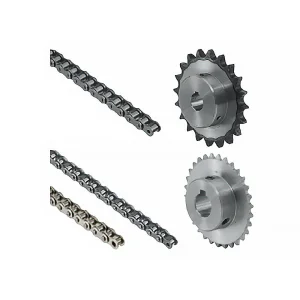
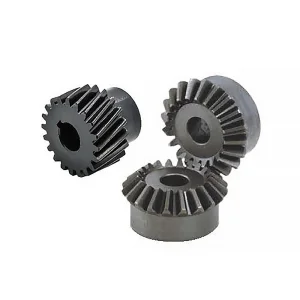
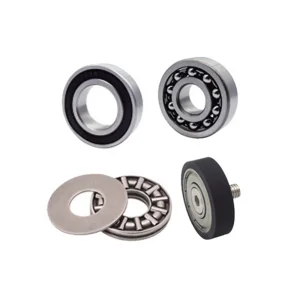
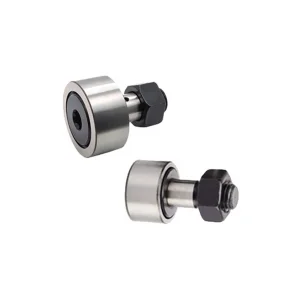
In the modern era of Industry 4.0, Factory Automation (FA) has evolved from basic mechanization into highly integrated, cyber-physical ecosystems. At the heart of these automated setups lies the physical layer of motion: transmission mechanisms. Whether it is a multi-axis articulated robot on an automotive assembly line, a high-throughput packaging facility, or nanometer-precision stepper systems in semiconductor lithography, the demand for reliable, high-precision transmission parts is higher than ever.
Historically, industrial transmission systems relied on loose tolerancing and standard materials, allowing for significant backlash and shorter operational lifetimes. Today, global enterprises face intense pressure to reduce down-time, cut energy consumption, and increase throughput. This shifts the focus toward ultra-durable components: heat-treated carbon steels, specialized stainless steel alloys, and custom-molded elastomeric compounds. Global production hubs are transitioning toward highly integrated transmission modules where planetary gearboxes, speed reducers, electric motors, and high-strength couplings work in complete mechanical alignment to minimize energy losses and eliminate positioning errors.
The geographical requirements for industrial automation parts show distinct regional specialization:
"The true competitive advantage in modern smart manufacturing is defined not just by how fast a machine can cycle, but by the repeatability and dimensional stability of its transmission train under dynamic thermal loads."
Selecting the right mechanical component is a balance between understanding raw materials, structural design, and load distributions. Let's break down the critical considerations for major component groups:
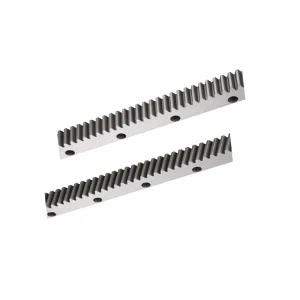
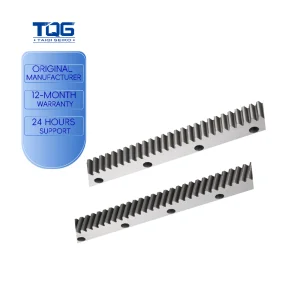
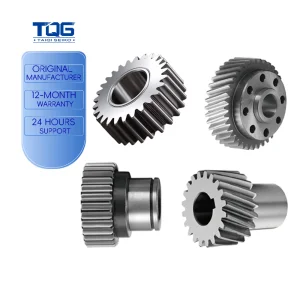
Precision-cut helical and spur gears are essential for converting rotary motion to linear displacement. Stainless steel racks (like the TQG brand) are crucial for semiconductor handling and CNC tool changing, where environmental contaminants must not cause corrosion. Helical cuts provide smoother engagement, lower noise, and higher load capacity than standard spur gears.
Using high-grade GCr15 bearing steel with heat treatment ensures high fatigue limits and wear resistance. Double-shielded deep groove ball bearings (P5 precision) are ideal for high-speed electric motors. Meanwhile, compact needle bearings distribute high radial loads in tight spaces, such as automotive cams and engine linkages.
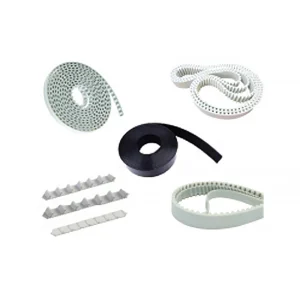
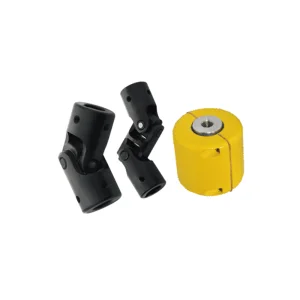
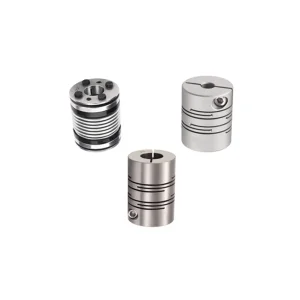
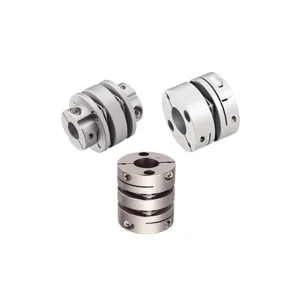
Flexible diaphragm, disc, and chain couplings connect motors to shafts, absorbing misalignment while maintaining zero-backlash torque transmission. PVC synchronous arc-tooth belts ensure quiet, non-slip synchronization in CNC axes, offering an excellent alternative to direct gear trains in light-to-medium applications.
China's role in the global transmission supply chain has evolved from high-volume production to high-precision engineering. In industrial clusters like Shenzhen, factories integrate material sourcing, precision casting, multi-axis CNC machining, heat treatment, and metrology testing into streamlined, localized ecosystems.
This concentration of technology allows manufacturers like Boxtop Electromechanical Equipment to offer rapid prototyping, custom modifications, and reliable batch production at competitive rates. By combining German and Japanese gear-cutting technology with domestic raw material advantages, these facilities deliver performance that matches or exceeds traditional western manufacturers, helping global buyers optimize their supply chains.
20+ Years of Excellence in Precision Motion Control, Gearbox Design, and Advanced Production Workflows
Founded in Shenzhen, China, Boxtop Electromechanical Equipment (Shenzhen) Co., Ltd. has grown into a premier, verified manufacturer integrating R&D, advanced production, and global sales. For over two decades, we have dedicated ourselves to one mission: engineering high-precision, heavy-duty transmission and motor solutions that power modern industrial automation.
Unlike standard component suppliers, Boxtop offers a comprehensive product ecosystem. We specialize in precision planetary gearboxes, worm gear reducers, and helical gear units, perfectly integrated with our high-torque DC motors, AC motors, and brushless alternatives. By optimizing the synergy between motor and speed reducer, we provide global OEM buyers with ready-to-install micro-drives and industrial power systems that maximize efficiency and lifespan.
Operating from our state-of-the-art facility equipped with precision German and Japanese gear-hobbing technology (such as KOEPFER and HAMMI), we enforce rigorous quality control at every stage. From rapid engineering support to mass factory production, Boxtop is the trusted China partner driving reliability for customers in the US, Europe, Russia, Southeast Asia, and beyond.
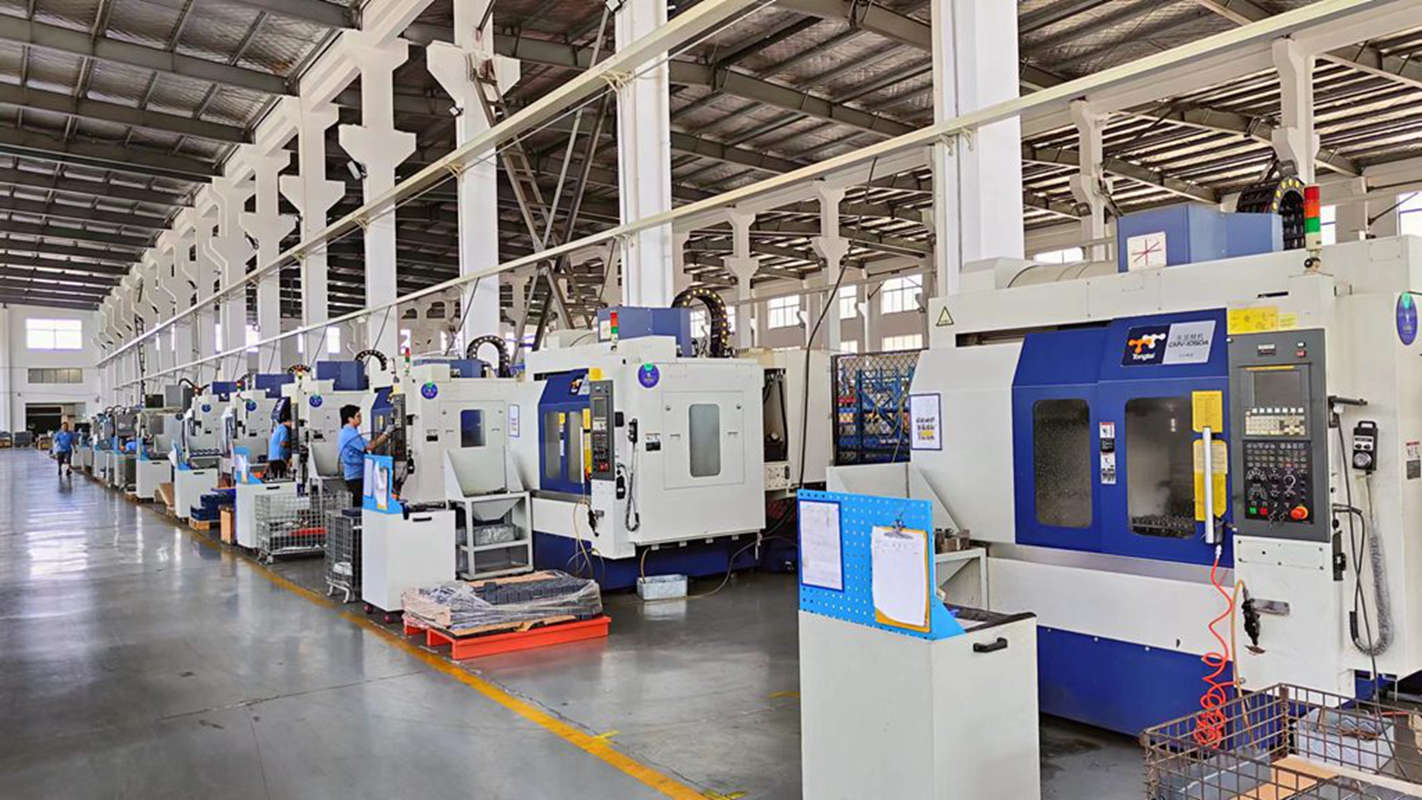
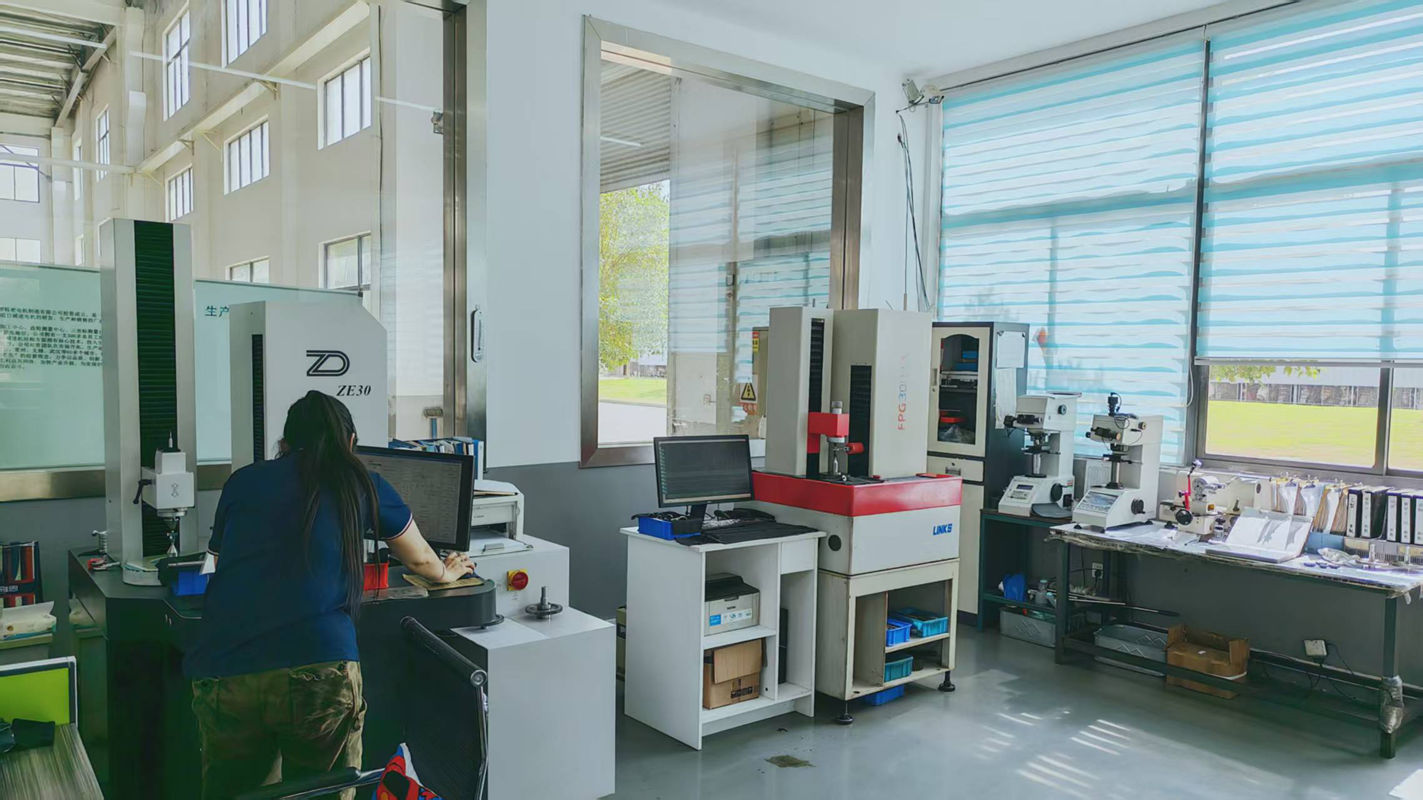
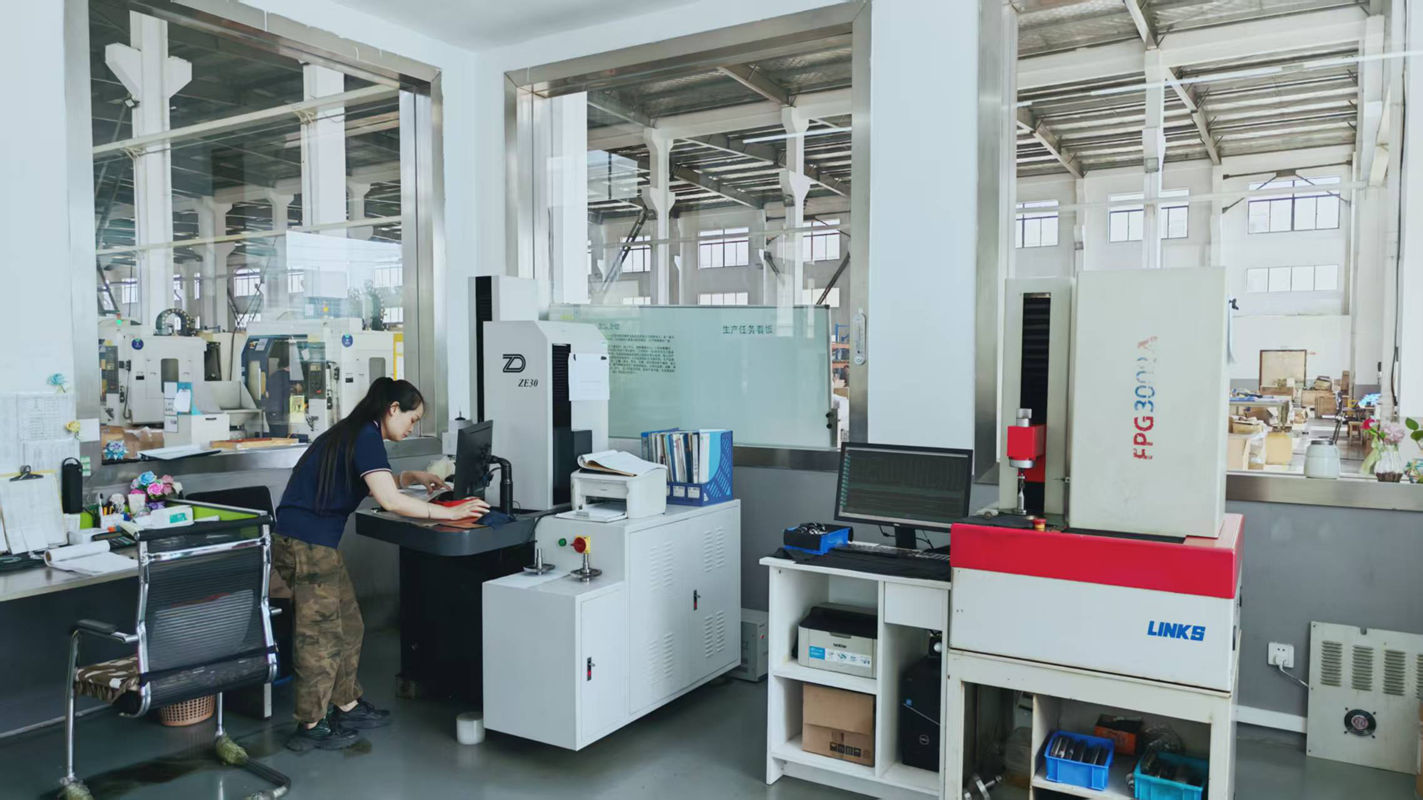
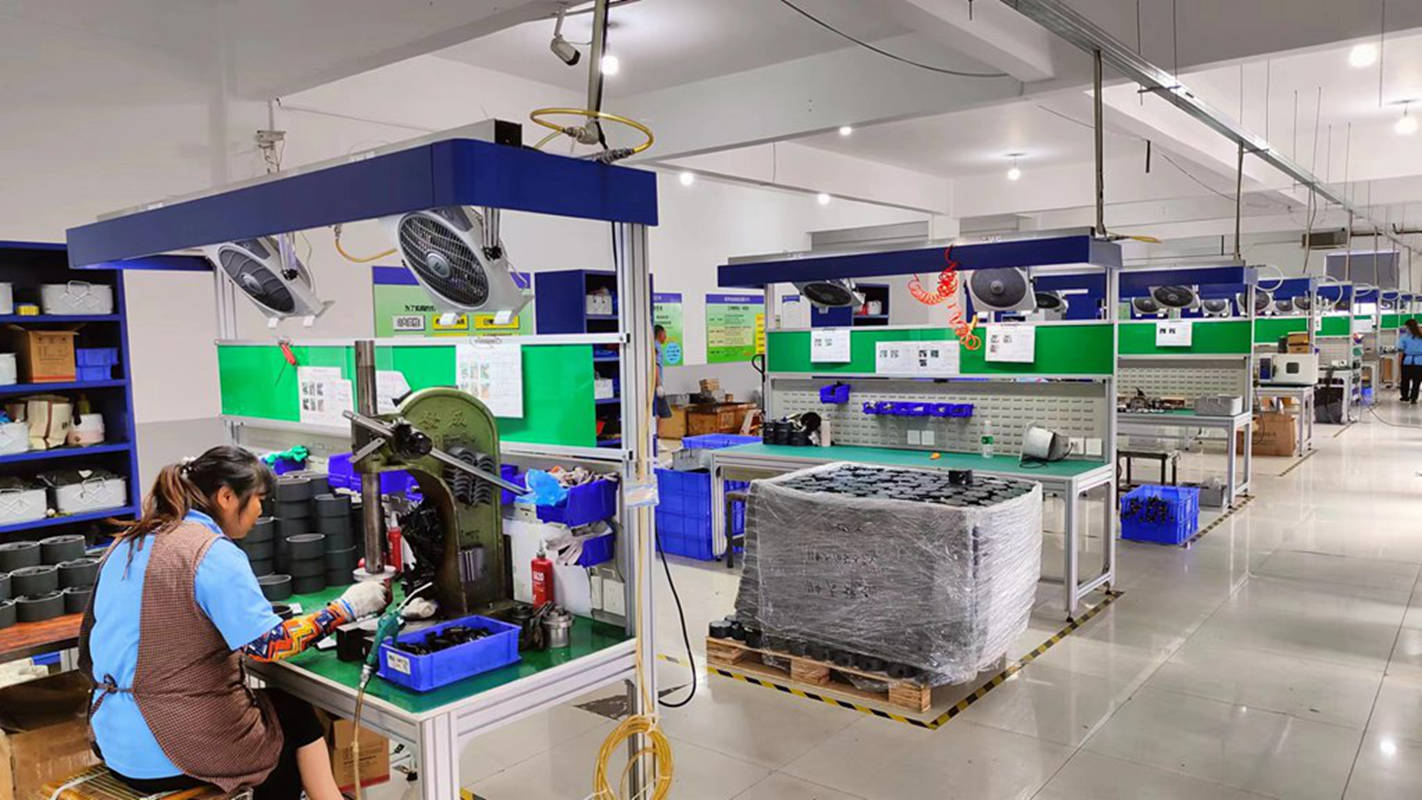
Our continuous investment in advanced machinery ensures micro-level precision and process repeatability across all production lines.
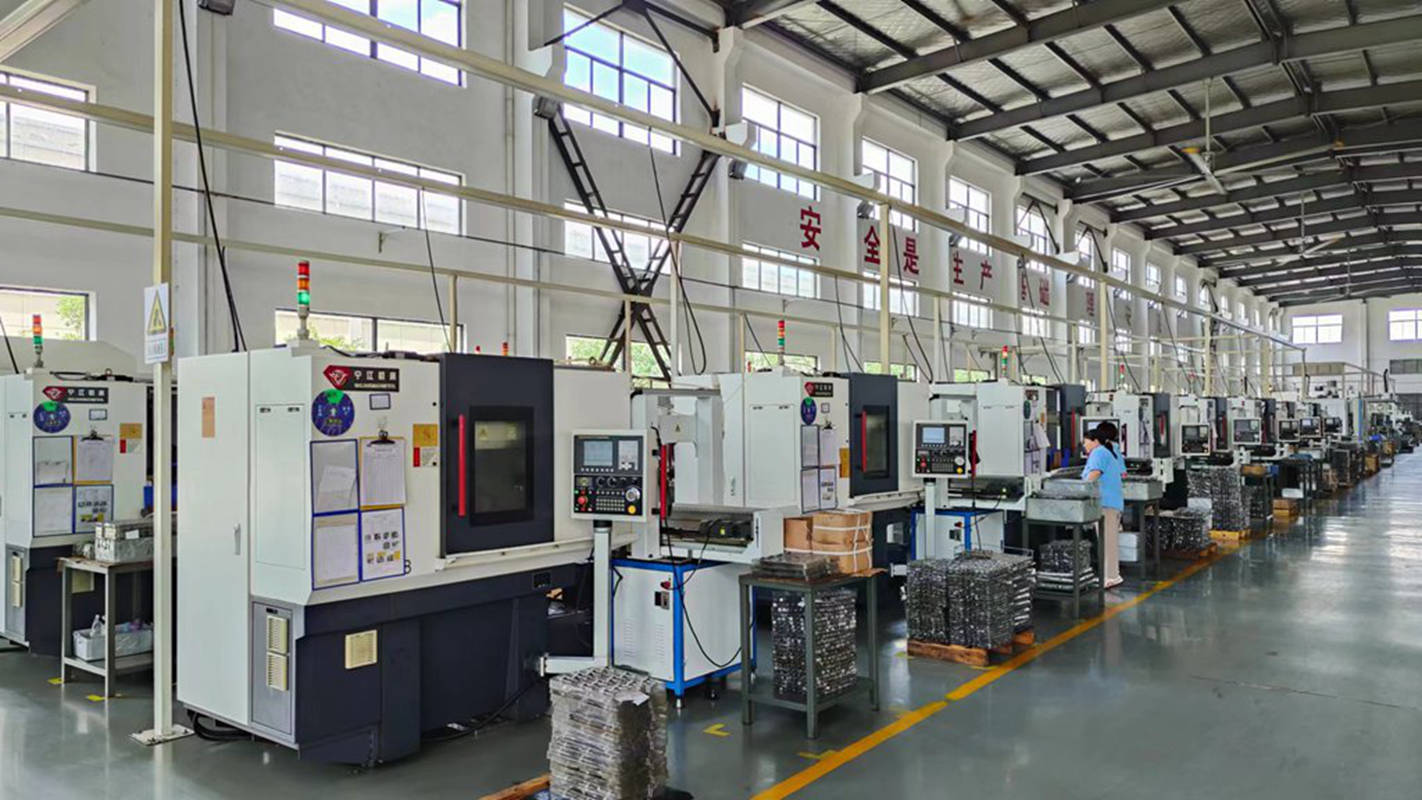
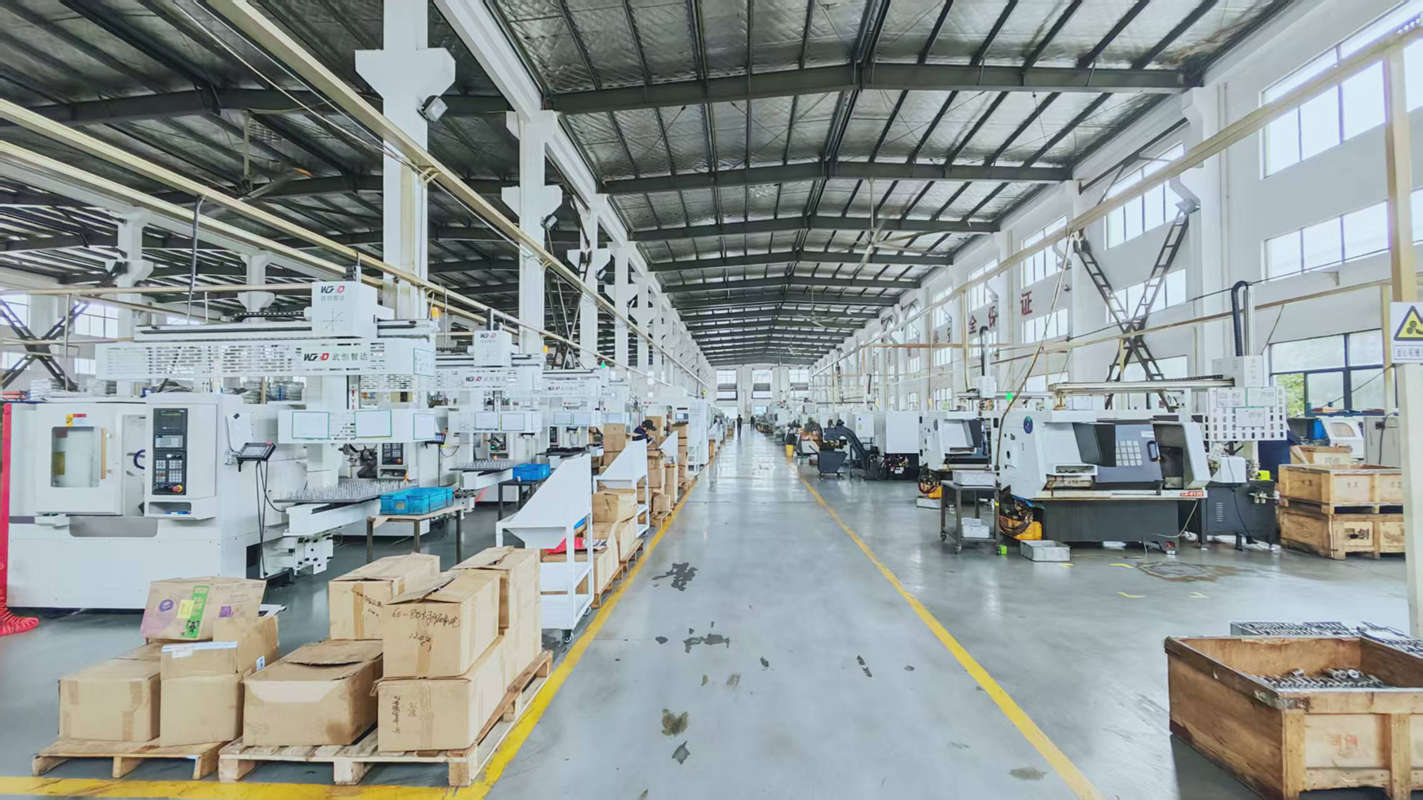
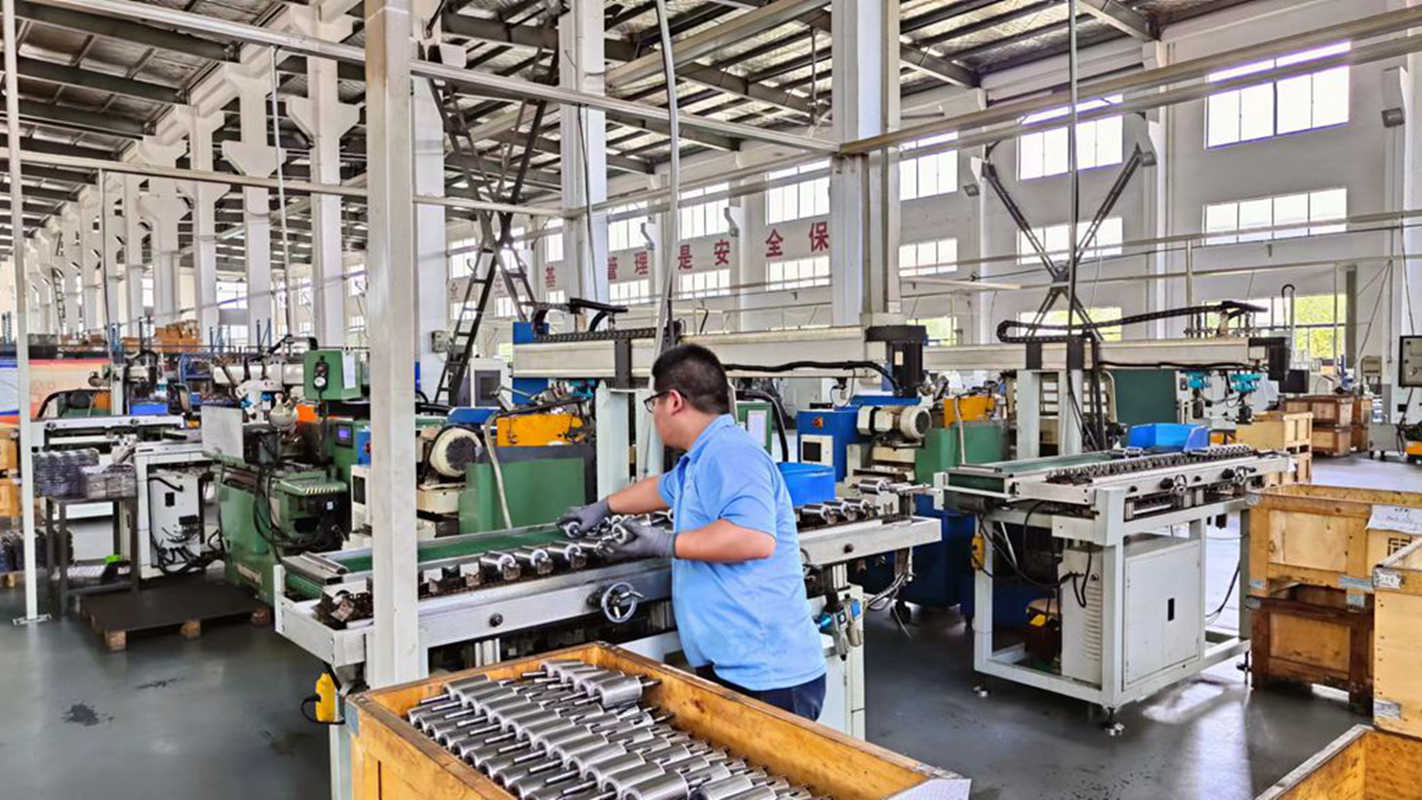
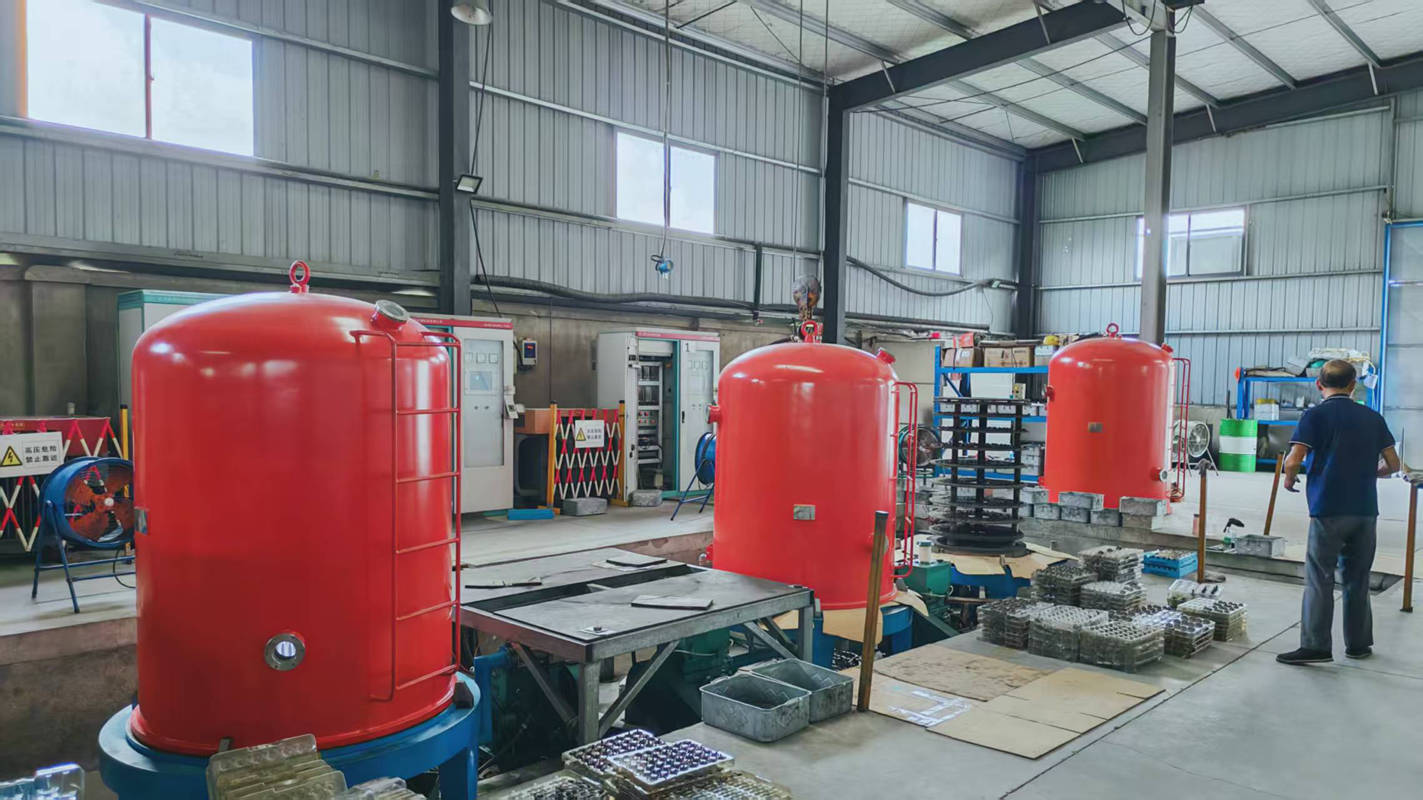
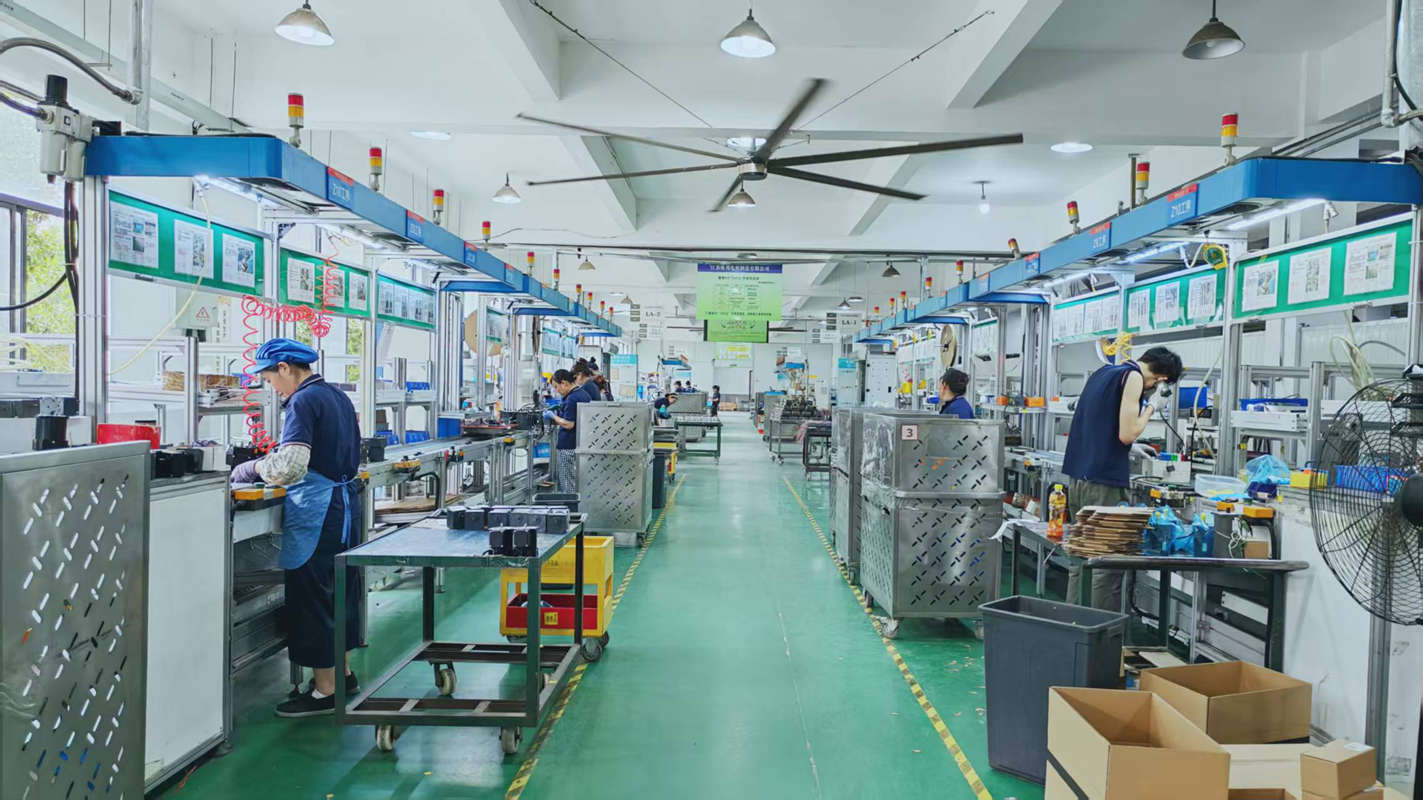
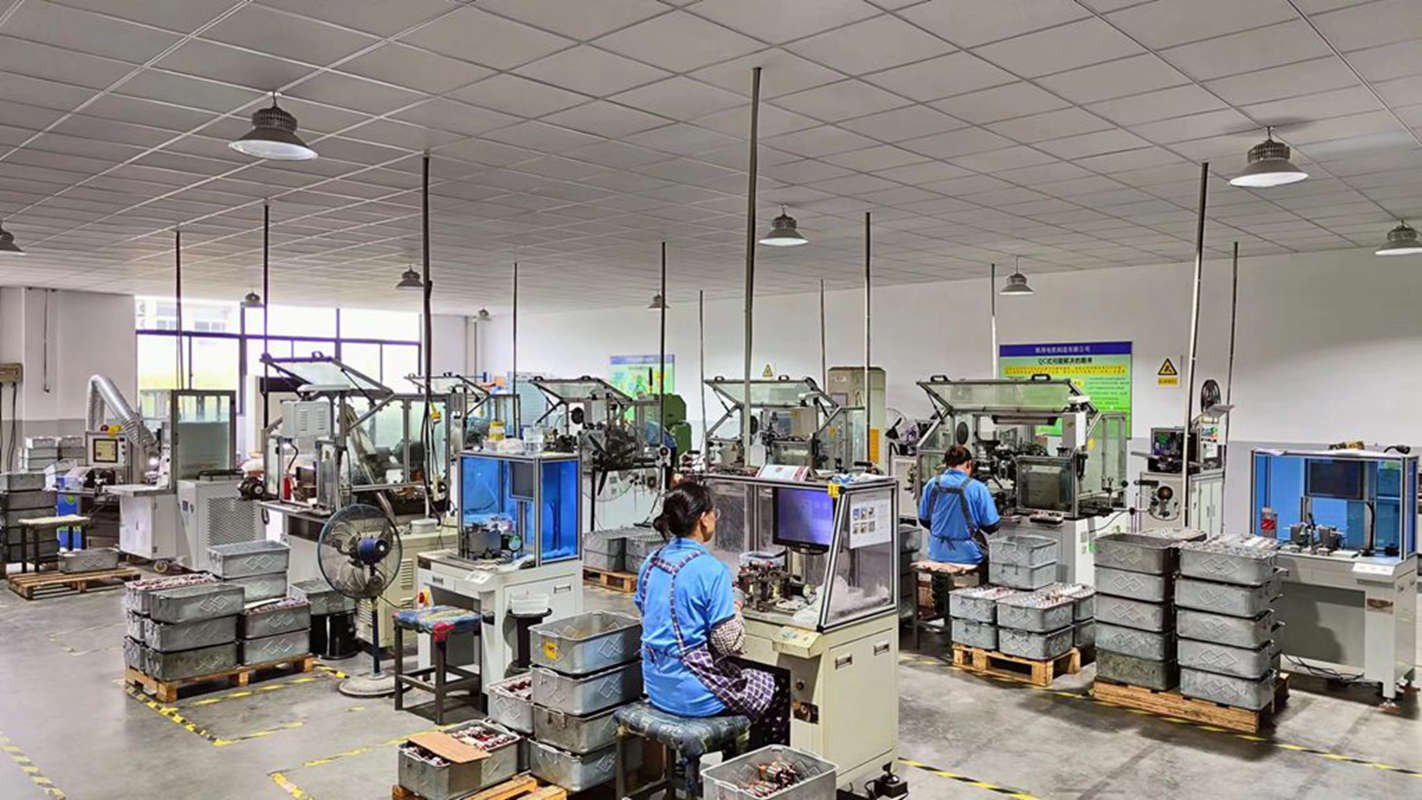
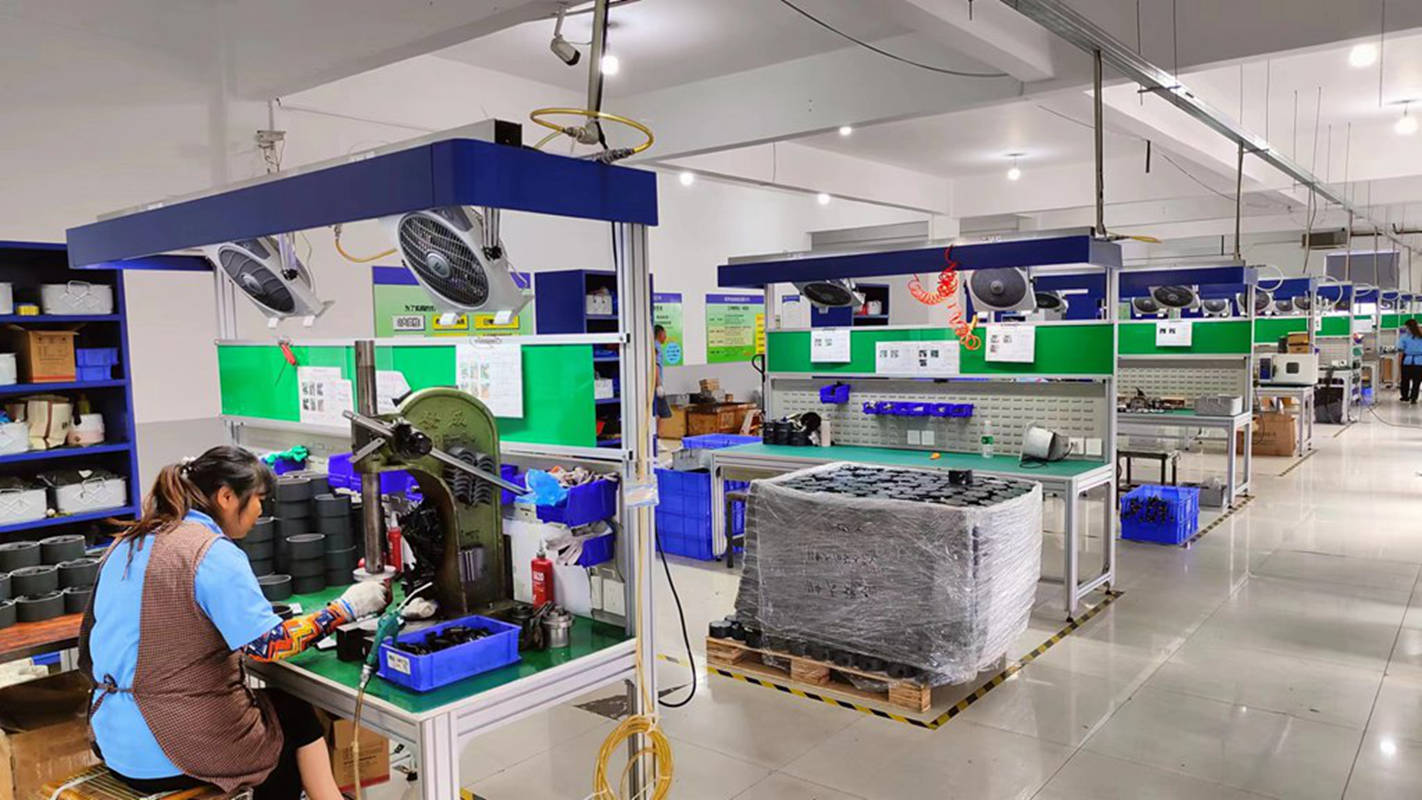
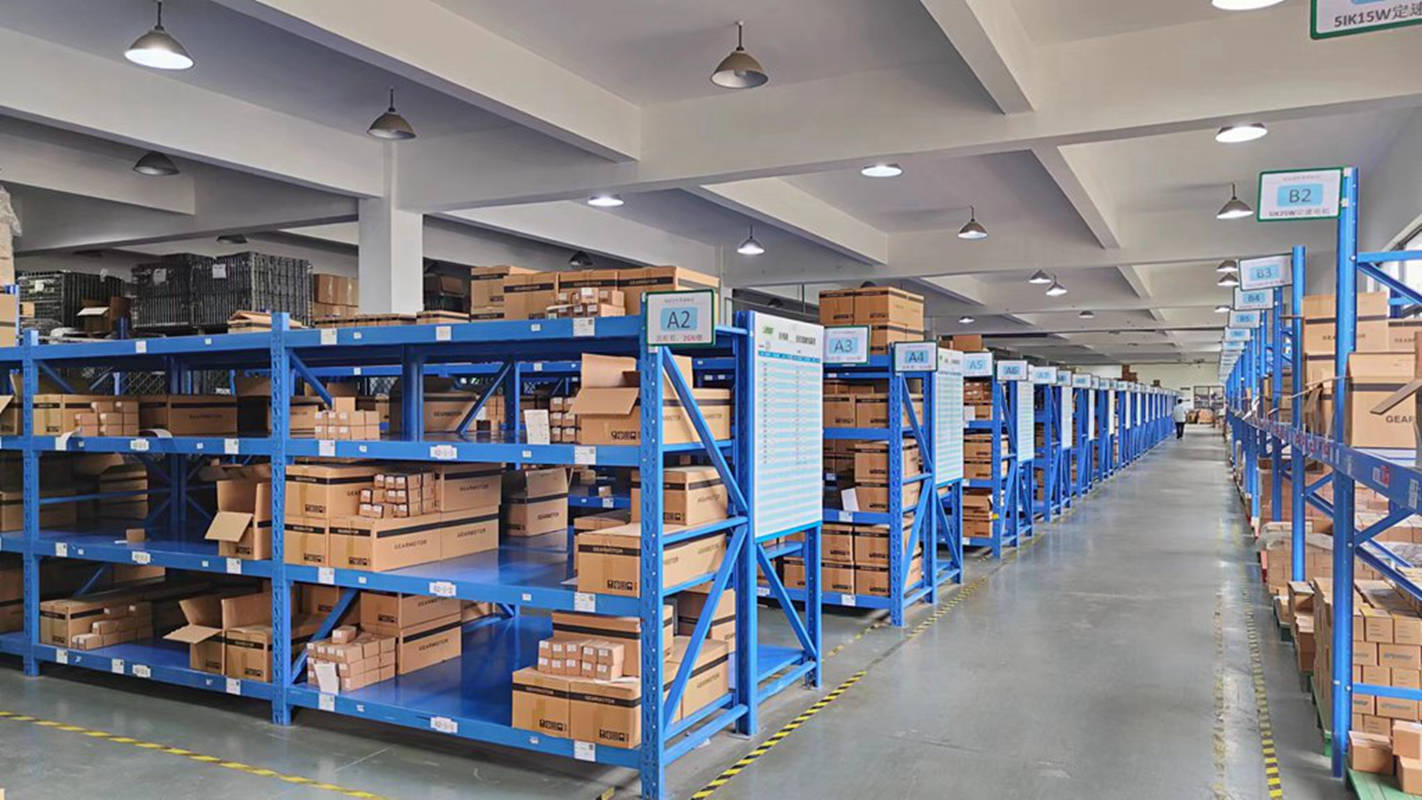
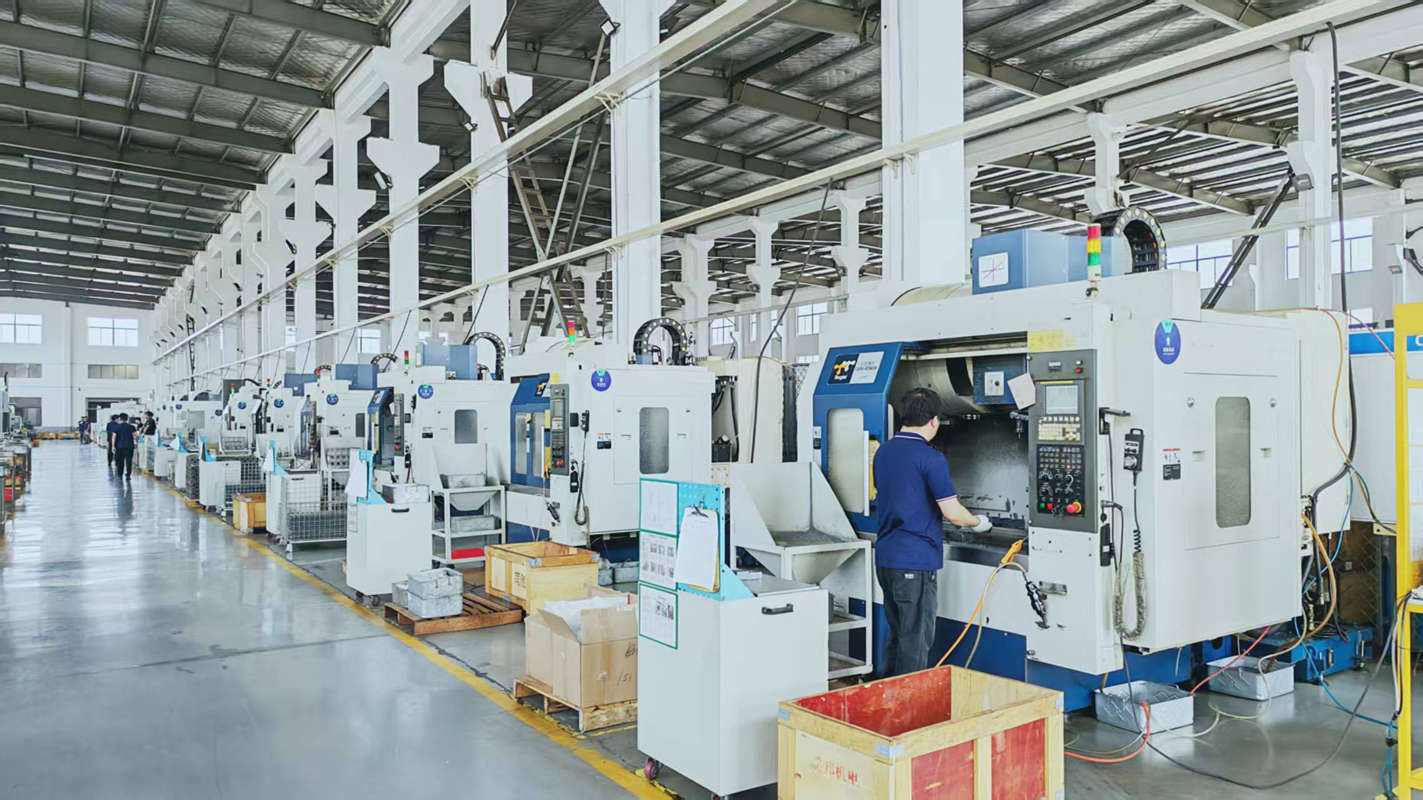
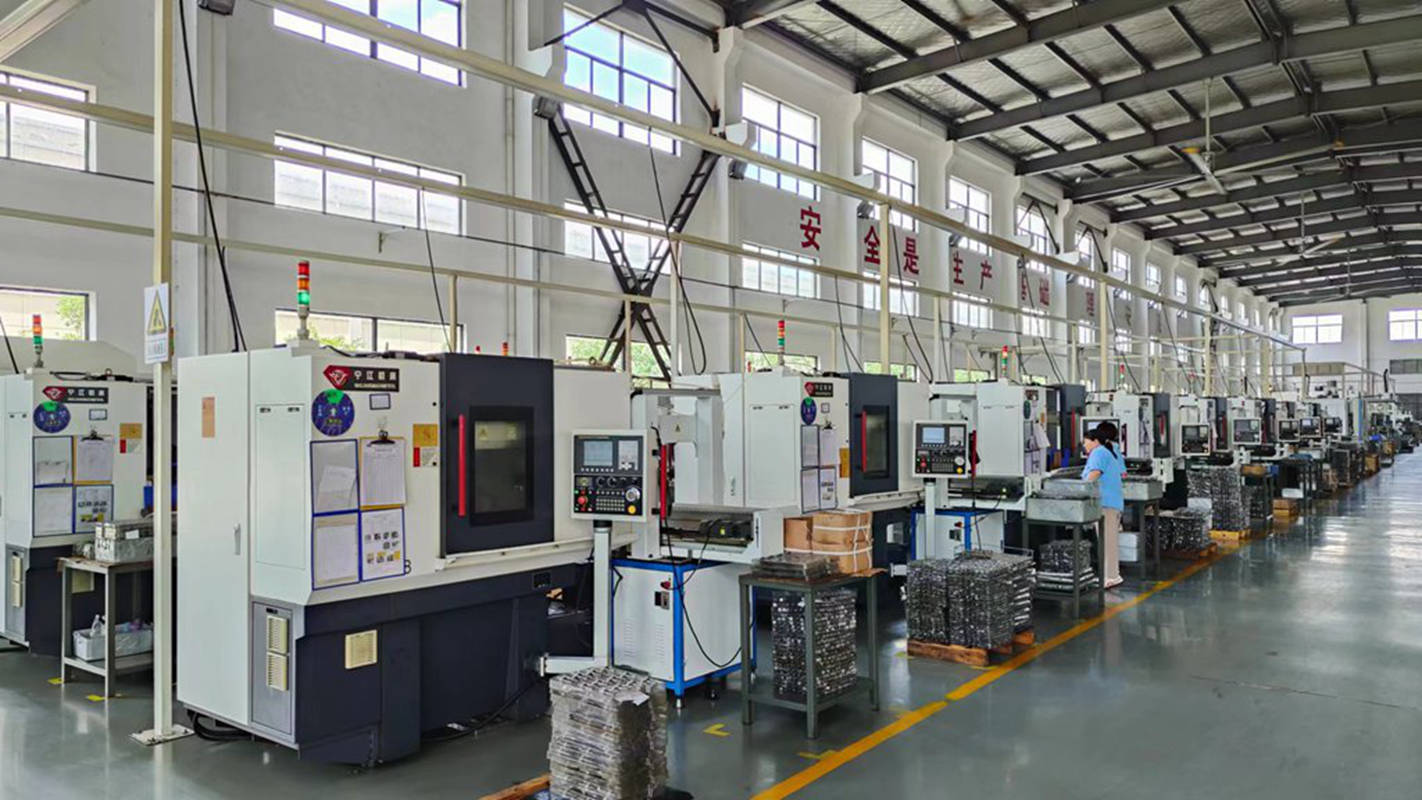
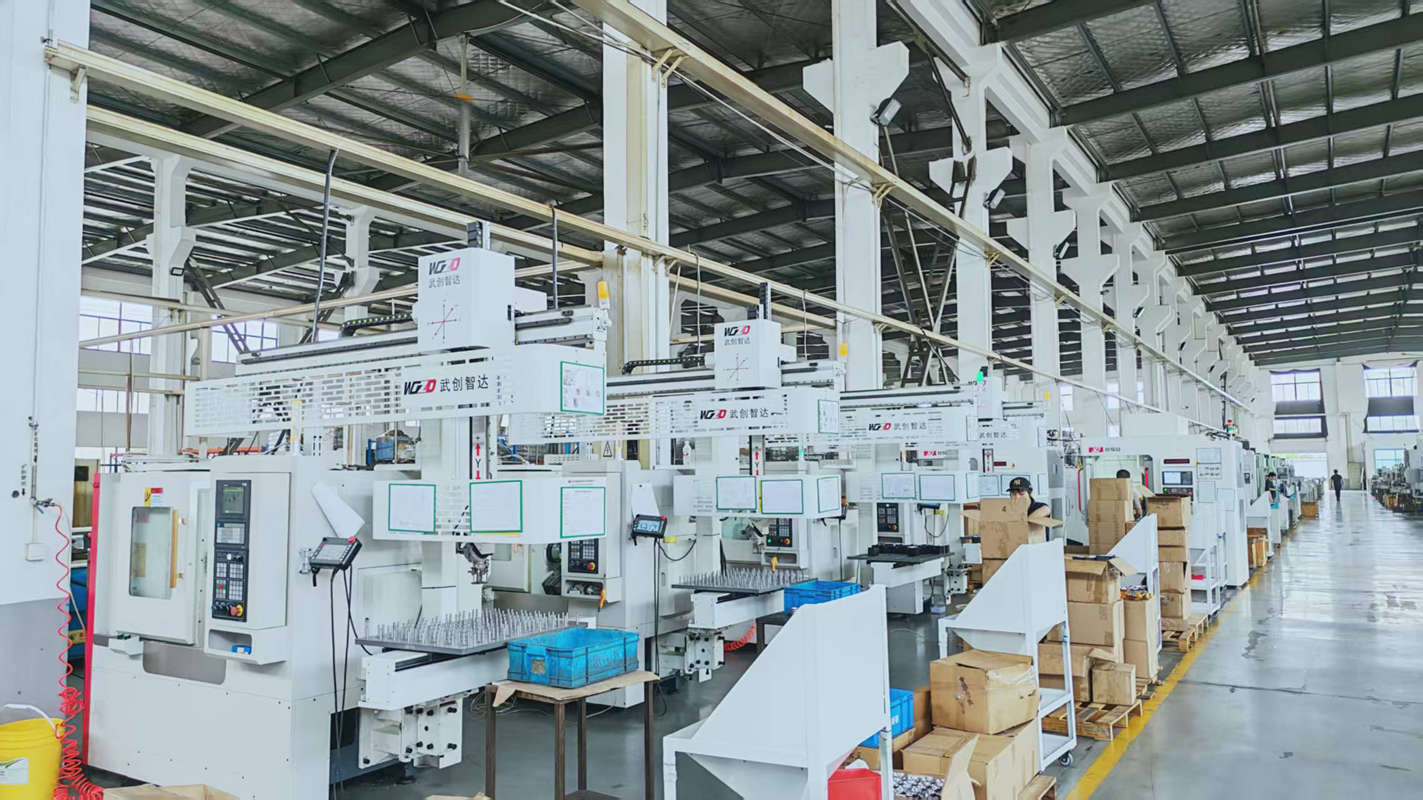
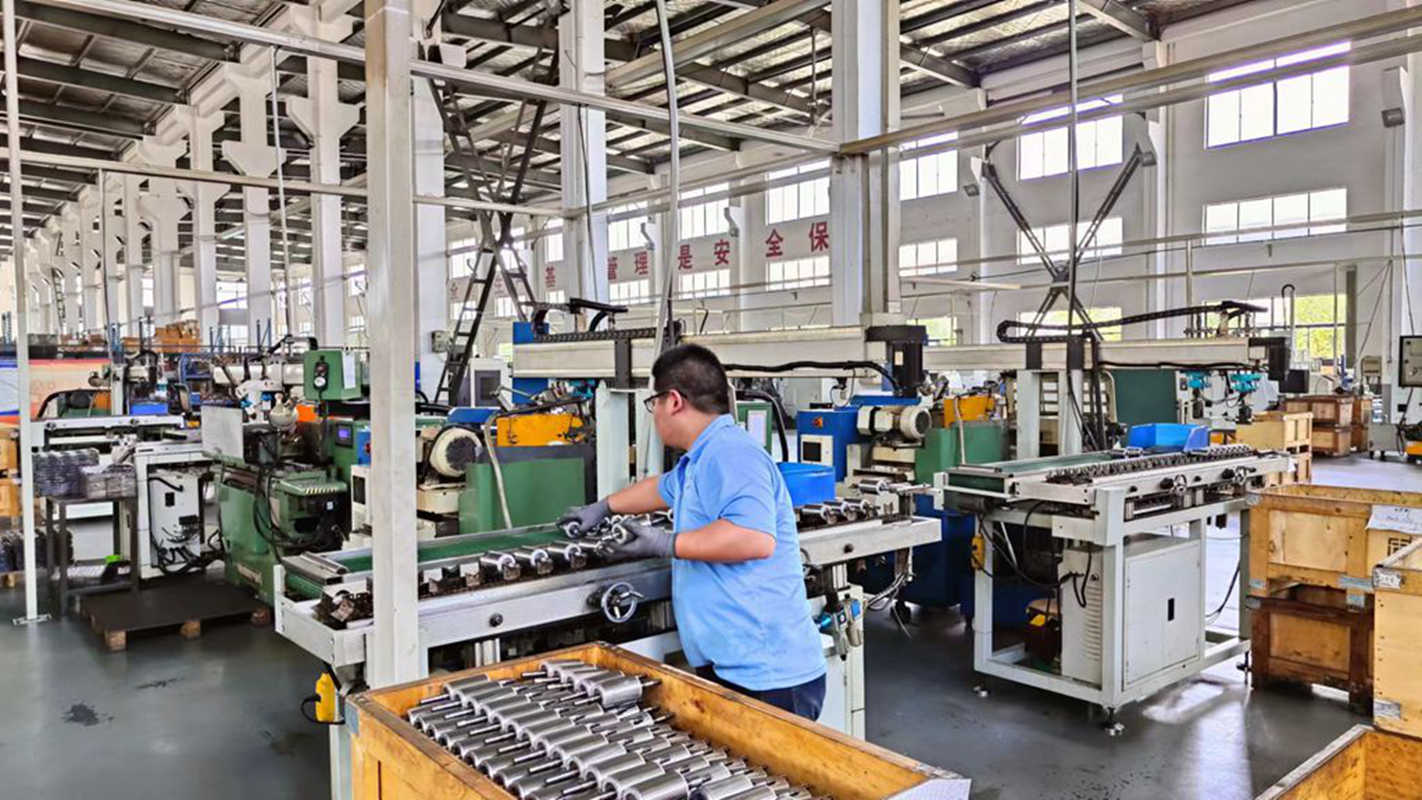
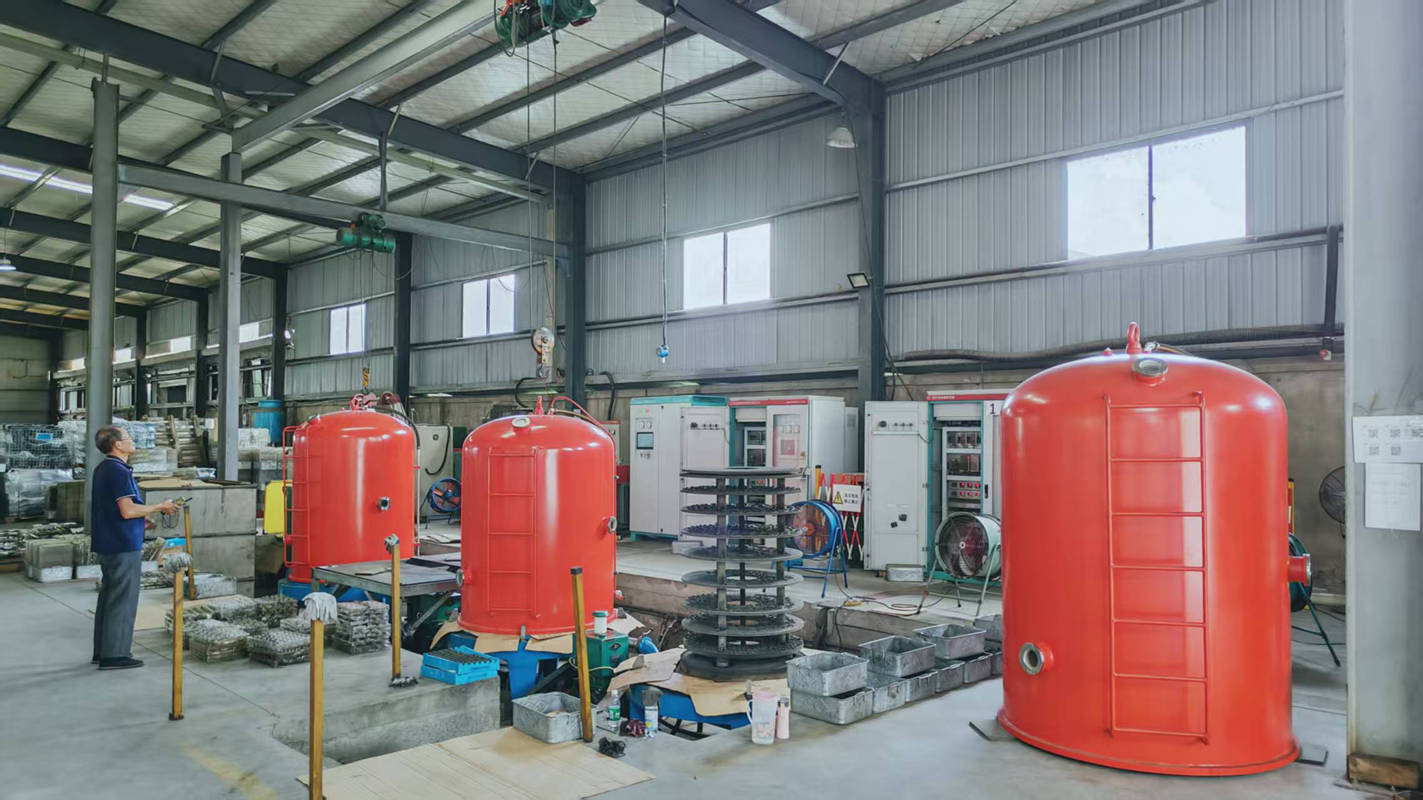
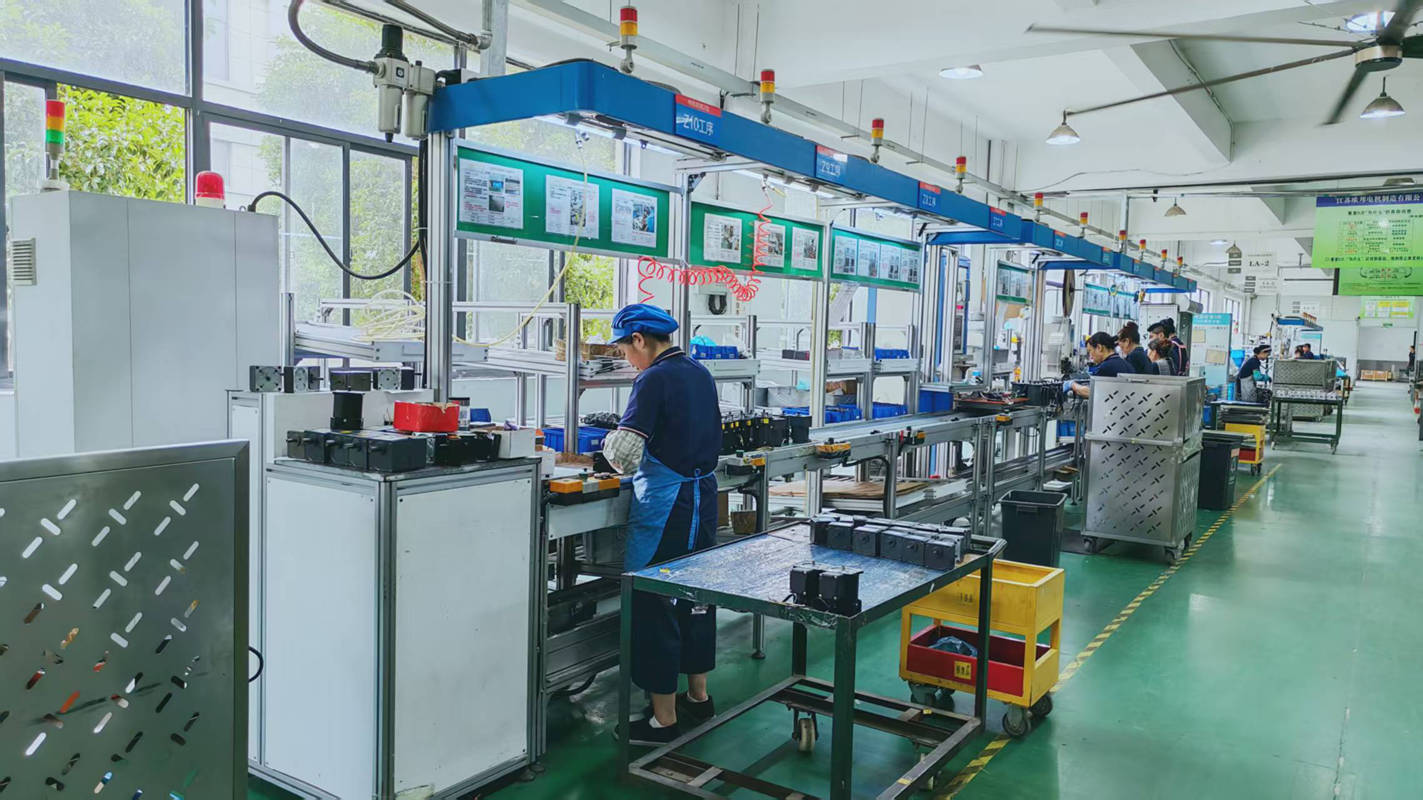
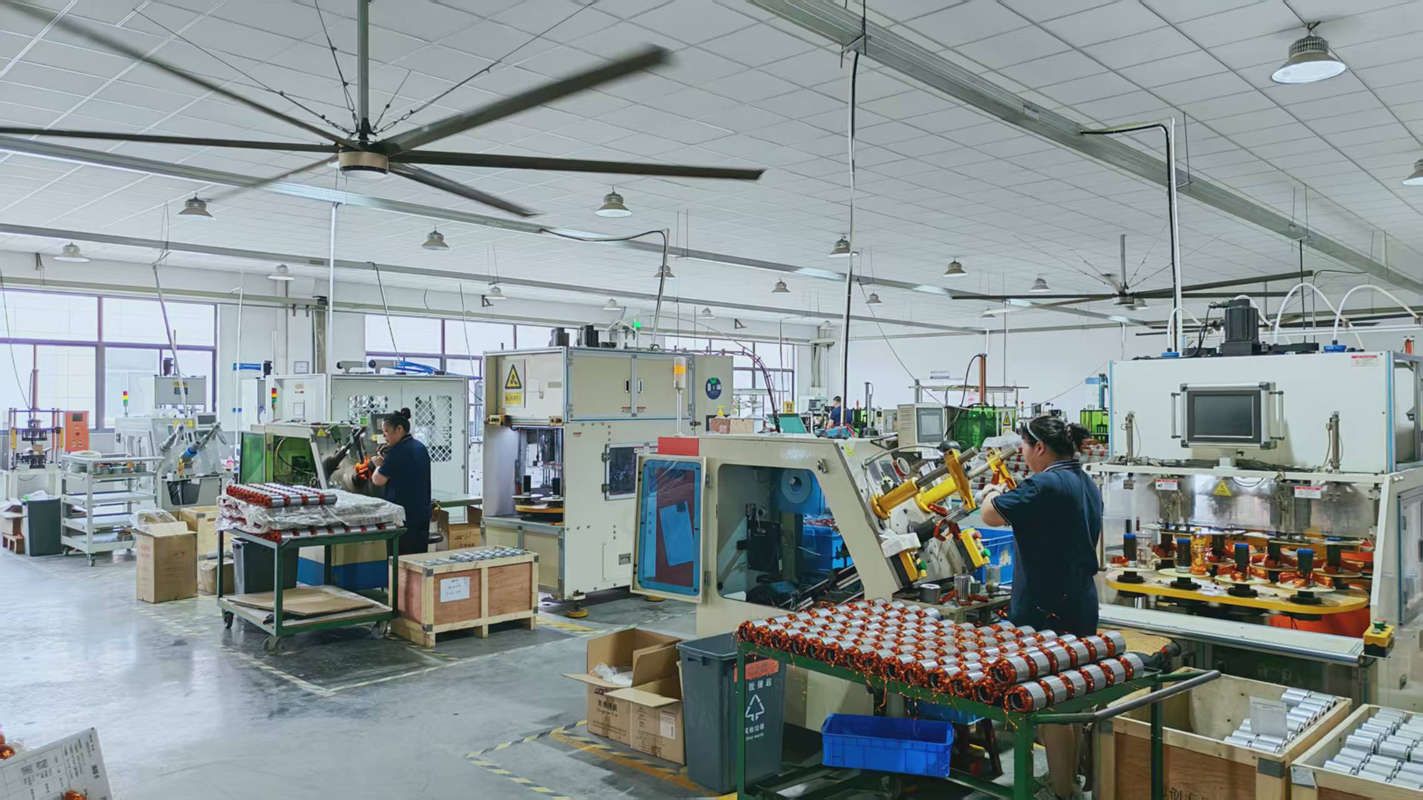
We maintain an advanced testing laboratory to verify mechanical tolerances, hardness profiles, and rotational accuracy before any shipment leaves our facility.
Procuring industrial transmission components at scale requires a clear evaluation checklist. To ensure supply chain resilience, global procurement managers must evaluate several factors:
By establishing strict technical criteria early, procurement teams can avoid costly post-assembly adjustments and unexpected failures.
Expert answers to common engineering questions regarding materials, tolerances, and application matching.
GCr15 steel (high-carbon chromium bearing steel, comparable to AISI 52100) is the industry standard for high-performance rotary bearings. Its key advantages include high wear resistance, excellent dimensional stability, and high rolling contact fatigue strength. When heat-treated to a uniform hardness of HRC 60-64, GCr15 bearings can withstand high radial loads with minimal deformation, ensuring precise shaft alignment in applications like servo motors.
Helical gear racks feature angled teeth, which engage more gradually than straight spur gears. This progressive tooth contact provides smoother force transmission, reduces noise and vibration at high speeds, and increases load capacity by distributing forces across multiple teeth. While spur gears are simpler to align, helical gear racks are preferred for high-precision CNC routers, laser cutting machines, and robotics that require smooth operation and high repeat accuracy.
Servo systems require zero backlash and high torsional stiffness to maintain precise positioning control. Diaphragm couplings use thin, flexible stainless steel discs to transmit torque while accommodating angular, parallel, and axial misalignments. This design eliminates backlash and protects motor bearings from misalignment stresses, making it ideal for high-speed CNC machinery and industrial robotics.
Induction hardening uses electromagnetic induction to heat specific areas—like sprocket teeth or gear profiles—before quenching them. This hardens the contact surfaces (typically to HRC 50+) to resist wear, while leaving the core ductile enough to absorb shock loads without cracking. It is an essential step for heavy-duty drive sprockets and agricultural machinery transmission components.
In cleanrooms, food processing plants, or marine environments, standard carbon steel gear racks rust quickly, leading to system failure. Stainless steel alloys (such as SUS304 or SUS316) or surface treatments (like black oxide or nickel plating) are required to prevent oxidation. For high-precision applications like semiconductor handling, stainless steel racks with precision casting offer the best balance of corrosion resistance and dimensional stability.
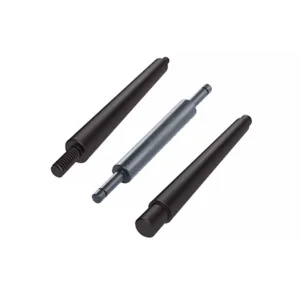
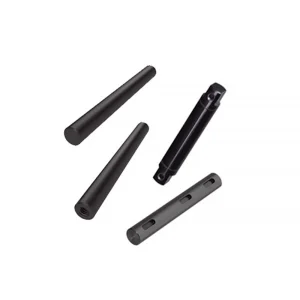
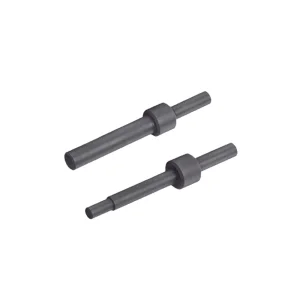
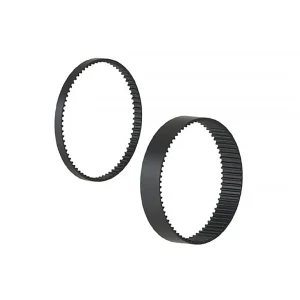
Complete your motion control setups with our high-torque coupling units, wear-resistant belts, and precision-machined rotating shafts.
 BOXTOP ELECTROMECHANICAL EQUIPMENT