BOXTOP ELECTROMECHANICAL EQUIPMENT
Choosing the right 90 Degree Gearbox can be a daunting task. Industry expert John Smith once stated, “Selecting the correct gearbox is crucial for efficiency.” This reflects the importance of making informed choices.
A 90 Degree Gearbox is vital in machinery applications. It helps in changing the direction of movement. However, many users overlook critical factors. Understanding load requirements and motor compatibility is essential. A mismatch can lead to performance issues.
Consider the key specifications before making a decision. Size, material, and gear ratios matter. Using an inappropriate gearbox can cause inefficiencies. The right choice enhances overall system reliability. Therefore, take time to assess your specific needs. A well-informed decision pays off in the long run.
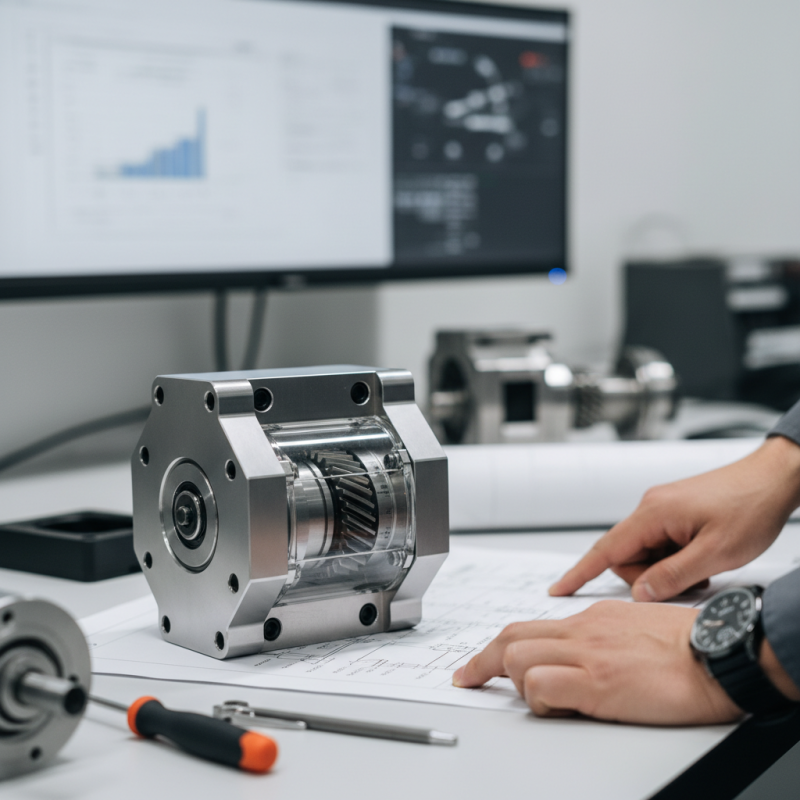
When selecting a 90-degree gearbox, understanding its fundamental aspects is crucial. These gearboxes play a key role in torque transmission. They help redirect energy efficiently in various applications, from robotics to conveyor systems. According to a market analysis, the demand for these gearboxes is expected to grow by over 5% annually. This is due to increasing automation in various industries.
The design of a 90-degree gearbox is central to its function. They typically consist of bevel gears that allow for angular adjustments. Material choice greatly influences performance and durability. High-quality materials can enhance wear resistance, but they may also increase costs. It's essential to consider the balance between quality and budget.
However, despite the many advantages, challenges remain. Users often overlook the importance of precise load calculations. Undermatching or overmatching a gearbox can lead to operational inefficiencies. Additionally, heat generation can be a concern. As loads increase, so does the heat, impacting lifespan. It is vital to factor in these details when making decisions. Understanding these fundamentals can guide you in choosing the most appropriate gearbox for your needs.
When selecting a 90-degree gearbox, several key factors come into play.
Efficiency is critical. Many industry reports indicate that gearboxes with higher efficiency ratings can save significant energy costs over time.
Consider load capacity carefully. A gearbox must handle the specific load of your application.
Overloading can lead to premature failure, an expensive setback.
Materials also matter. Robust materials enhance durability and minimize wear.
According to a recent survey, 85% of engineers prefer gearboxes made from materials with higher fatigue resistance.
This leads to longer life spans and reduced maintenance. It’s essential to analyze the environment.
Factors like temperature and moisture can affect performance.
Gearboxes operating in harsh environments may need special coatings or designs.
Tip: Always check the manufacturer's specifications as they provide valuable insights into a gearbox's capabilities.
Precision is another key aspect. Standardized measurements help in aligning components accurately.
You may face challenges with misalignment, which can cause inefficiencies.
Keep an eye on the gearbox's design. A compact design can save space in tight installations, but balance this with performance criteria.
Tip: Consult with experts if in doubt.
Their experience can steer you clear of common pitfalls. Ensuring you understand these factors will lead you to a gearbox that meets your needs efficiently.
When selecting the right 90 degree gearbox, it helps to understand the various types available. The most common types include bevel, worm, and helical gearboxes. Each serves different purposes based on size, strength, and speed requirements. For example, bevel gearboxes offer high torque and compact design. They are ideal for heavy machinery. Worm gearboxes deliver high reduction ratios but may create more heat. This makes them suitable for slow-moving machines.
Consider the application when selecting a gearbox. If precision is a priority, a helical gearbox might be your best choice due to its smooth operation and efficiency. However, it might not be the most affordable option. Think about the environment where the gearbox will operate. Dusty or oily environments can impact gear performance. Always ensure the gearbox matches your operational needs.
Tips: Check the load capacity. Exceeding limits can lead to premature wear. Regular maintenance is crucial. This helps improve longevity. Be aware of gear noise, as it can indicate potential issues.
Selecting the right 90-degree gearbox hinges on accurate evaluations of load capacity and performance needs. Load capacity is critical. It determines how much weight a gearbox can handle. Industry reports suggest a gearbox should ideally manage loads exceeding 25% of its rated capacity. Operating close to this threshold risks failure.
Performance requirements include gear ratios and efficiency. A gearbox with a high gear ratio may provide better torque but can limit speed. For instance, a typical 90-degree gearbox might offer a 1:1 to 10:1 ratio range. Understanding your application's demands helps choose an appropriate ratio.
It's essential to reflect on specific application needs. Are you dealing with constant loads? Is variable performance a factor? Performance metrics depend on accurate calculations and testing. Small discrepancies can lead to bigger issues in operation. Regular assessments of gearboxes also highlight potential weaknesses. They keep performance within safe limits and help ensure reliability in demanding situations.
When selecting a 90-degree gearbox, many users make crucial mistakes that can lead to inefficiency. One common error is overlooking the torque rating. According to industry reports, about 30% of gearboxes fail due to inadequate torque capacity. This can cause premature wear and increased operational costs, impacting your bottom line. Always match the gearbox torque specification to your application’s needs.
Another frequent mistake is failing to consider the operational environment. Gearboxes may face high temperatures or moisture, leading to potential damage. A study by the Machinery Lubrication Association revealed that improper environmental conditions contribute to a 25% reduction in gearbox lifespan. Choosing a gearbox rated for your specific environment can prevent future failures and enhance reliability. Many overlook noise levels, which can affect both compliance and workplace comfort.
Ultimately, understanding these common pitfalls is essential. Engaging with experienced professionals in the field can provide invaluable insights. Make informed choices to ensure optimal performance and longevity of your equipment.
: A 90-degree gearbox is vital for efficiently redirecting torque in various applications, like robotics and conveyor systems.
The material affects performance and durability. High-quality materials may improve wear resistance but can raise costs.
Undermatching or overmatching can lead to inefficiencies and potentially cause gearbox failure over time.
Increased loads generate more heat, which can reduce durability and ultimately the operational life of the gearbox.
High gear ratios can enhance torque but may limit speed. Assess your application’s demands carefully.
Yes. High temperatures or moisture can damage gearboxes, potentially reducing their lifespan by 25%.
Regular assessments help identify weaknesses and ensure reliability, keeping performance within safe operational limits.
Overlooking noise can lead to compliance issues and affect workplace comfort negatively for employees.
Yes. Minor discrepancies can lead to significant operational issues, impacting performance and efficiency.
They provide insights that can help users avoid common mistakes and make informed choices for optimal performance.
When selecting a 90 Degree Gearbox, it's crucial to understand the fundamental concepts that govern their functionality. These gearboxes are specifically designed to change the direction of power transmission, making them essential in various mechanical applications. Key factors to consider include load capacity, performance requirements, and the specific type of gearbox that aligns with your project needs.
Additionally, there are several types of 90 Degree Gearboxes available, each suited for different applications, ranging from light to heavy-duty tasks. Avoiding common mistakes in the selection process is vital; these include overlooking compatibility with existing systems or misjudging the required torque. By carefully evaluating these aspects, you can ensure that the 90 Degree Gearbox you choose will effectively meet your operational demands.
