Choosing a reliable lift supplier requires more than comparing prices or reading product brochures. This guide, “China Top 10 Lift Systems Manufacturers for Global Buyers,” examines manufacturers through practical purchasing criteria. These include product range, engineering capability, factory experience, quality controls, customization, and international service. Lift Systems may serve apartments, hotels, hospitals, warehouses, and public buildings. Each application demands different speed, capacity, travel height, safety features, and maintenance planning.
Real purchasing decisions often begin with technical details. A buyer may need a 1,000-kilogram passenger lift, a compact machine-roomless design, or a heavy-duty freight solution. Shaft dimensions matter. So do door opening sizes, power conditions, climate, and expected daily cycles. Reputable manufacturers should provide clear drawings, test records, installation guidance, and documentation for applicable standards. Depending on the destination, buyers may review EN 81, ASME A17.1, local building codes, or other regional requirements. Compliance must be verified for the actual project.
This list is a practical starting point, not an unquestionable ranking. Manufacturer capabilities can change. Service quality can differ between regions. A factory visit, video audit, reference project, and contract review can reveal important details. Ask about spare parts availability and technician training. Small omissions become expensive later. Buyers should also confirm warranty terms, response times, software support, and commissioning responsibilities. The strongest supplier is not always the largest one. It is the partner that communicates clearly, documents its claims, and supports the Lift Systems throughout their working life. Some comparisons remain imperfect, because public information is not always complete. That limitation deserves attention.
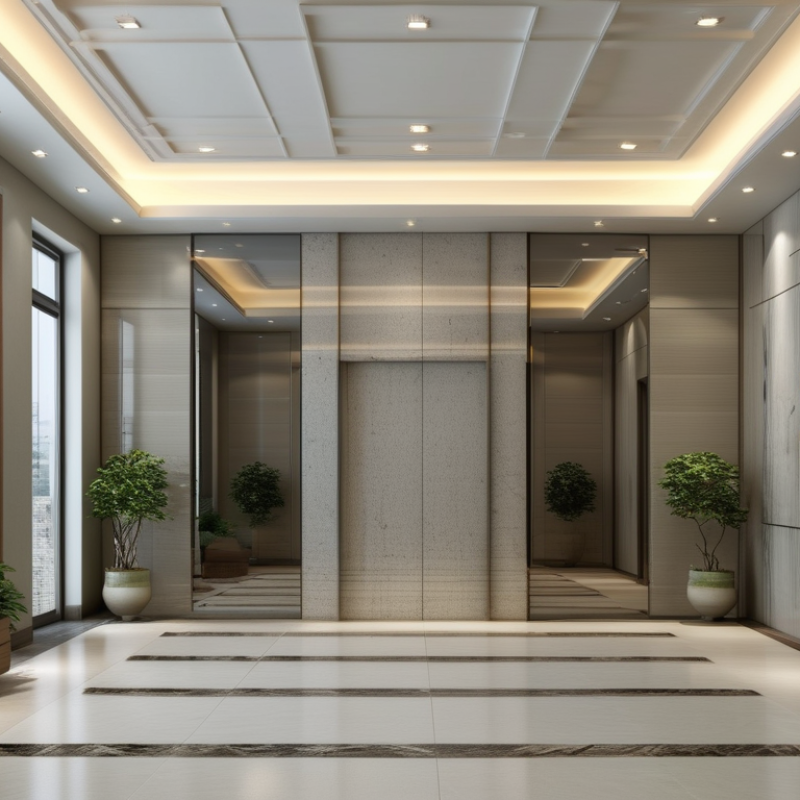
China Top 10 Lift Systems Manufacturers for Global Buyers
Lift Systems Covered: Traction, Hydraulic, MRL, and Platform Designs
For global buyers, comparing China’s top ten lift system manufacturers requires more than checking price. Traction lifts suit mid-rise buildings and frequent daily travel. Their geared or gearless machines can deliver smooth rides with efficient energy use. Hydraulic lifts remain practical for low-rise projects, especially where pit depth or speed is limited. Oil temperature and maintenance access need careful review.
Machine-room-less systems save rooftop space by placing equipment inside the shaft. This design can simplify building planning, but service access deserves close inspection. Space matters. Platform lifts support accessibility in homes, schools, and small commercial sites. They usually travel slowly and require clear safety controls, accurate leveling, and suitable weather protection.
In procurement work, I would request load-test records, wiring diagrams, spare-parts lists, and installation training details. Ask whether the proposed system matches local codes and site conditions. A reliable manufacturer should explain duty cycles, emergency lowering, noise levels, and expected maintenance intervals. That assumption fails. A polished brochure cannot replace factory inspection or third-party verification. Buyers should also compare warranty language, response times, and controller compatibility. Some specifications look attractive until voltage, climate, or local technician skills expose hidden costs. Controls may need revision after installation. That is not ideal, but transparent correction is better than silence.
Comparative overview of anonymized Chinese lift-system manufacturer profiles and their commonly available product capabilities.
| Rank | Manufacturer Profile | Lift Systems Covered | Typical Applications | Typical Rated Load | Typical Rated Speed | Building Range | Common Compliance References | Common Export Markets |
|---|---|---|---|---|---|---|---|---|
| 1 | Manufacturer Profile 01 | Traction MRL Platform | Residential towers, offices, hospitals, and public buildings | 450–2,000 kg | 1.0–2.5 m/s | Low- to high-rise | GB/T 7588.1/2; EN 81-20/50; selected local-market requirements | Asia-Pacific, Middle East, Africa, and Latin America |
| 2 | Manufacturer Profile 02 | Traction Hydraulic MRL | Commercial buildings, hotels, villas, and modernization projects | 320–1,600 kg | 0.5–2.0 m/s | Low- to mid-rise | GB/T 7588.1/2; EN 81-20/50; ISO 9001 production systems | Europe, Southeast Asia, Gulf countries, and Africa |
| 3 | Manufacturer Profile 03 | MRL Traction Platform | Urban residential developments, retail centers, and schools | 450–1,350 kg | 1.0–2.0 m/s | Low- to mid-rise | GB/T 7588.1/2; EN 81-20/50; accessibility specifications where required | South Asia, ASEAN, Middle East, and selected European markets |
| 4 | Manufacturer Profile 04 | Hydraulic Traction Platform | Industrial facilities, warehouses, garages, and low-rise buildings | 500–5,000 kg | 0.2–1.0 m/s | Low-rise | EN 81-20/50; EN 81-41 for vertical lifting platforms; local electrical codes | Middle East, Africa, Central Asia, and Latin America |
| 5 | Manufacturer Profile 05 | Traction MRL | High-density housing, office towers, hotels, and mixed-use projects | 630–2,500 kg | 1.0–3.0 m/s | Mid- to high-rise | GB/T 7588.1/2; EN 81-20/50; seismic and fire-service options by project | East Asia, Southeast Asia, Gulf region, and Eastern Europe |
| 6 | Manufacturer Profile 06 | Platform Hydraulic Traction | Private residences, public access buildings, and accessibility upgrades | 250–1,000 kg | 0.15–1.0 m/s | Low-rise | EN 81-41; EN 81-20/50; barrier-free access requirements where applicable | Europe, North Africa, Australia, and Southeast Asia |
| 7 | Manufacturer Profile 07 | MRL Traction Hydraulic | Shopping centers, hospitals, hotels, and apartment complexes | 630–2,000 kg | 1.0–2.5 m/s | Low- to high-rise | GB/T 7588.1/2; EN 81-20/50; emergency operation options | Asia-Pacific, Middle East, Africa, and South America |
| 8 | Manufacturer Profile 08 | Hydraulic Platform | Freight handling, logistics facilities, car lifts, and industrial sites | 1,000–10,000 kg | 0.1–0.6 m/s | One- to four-level access | EN 81-31/41 where applicable; machinery safety and local industrial standards | Middle East, Africa, Central Asia, and Latin America |
| 9 | Manufacturer Profile 09 | Traction MRL Platform | Residential buildings, schools, clinics, and public infrastructure | 320–1,600 kg | 0.63–2.0 m/s | Low- to mid-rise | GB/T 7588.1/2; EN 81-20/50; accessibility and energy-efficiency options | ASEAN, South Asia, Africa, and Eastern Europe |
| 10 | Manufacturer Profile 10 | Traction Hydraulic MRL | Construction projects, hotels, commercial buildings, and replacement markets | 450–2,000 kg | 0.63–2.5 m/s | Low- to high-rise | GB/T 7588.1/2; EN 81-20/50; project-specific certification pathways | Middle East, Southeast Asia, Africa, and Latin America |
Traction systems generally suit mid-rise buildings and heavy daily use. They can provide smooth rides and efficient energy use. Gearless machines may reduce noise. Site conditions still matter.
Hydraulic lifts often suit low-rise projects with limited speed requirements. They can work where pit depth is restricted. Check oil temperature and maintenance access carefully.
Machine-room-less systems place equipment inside the shaft. This can preserve rooftop space and simplify building planning. Service access may become difficult. Inspect it closely.
Platform lifts support accessibility in homes, schools, and small commercial buildings. They usually travel slowly. Accurate leveling, clear safety controls, and weather protection remain important.
Request load-test records, wiring diagrams, spare-parts lists, and installation training details. Ask for duty cycles and maintenance intervals. Emergency lowering information is essential.
Request recent delivery records, production schedules, and serial-number traceability. Inspect test towers, welding areas, and control-panel assembly. Capacity figures may include components, not complete systems.
Confirm compatibility with local voltage, climate, fire rules, shaft dimensions, and accessibility standards. Review multilingual manuals and installation drawings. Local performance does not guarantee overseas performance.
Compare warranty exclusions, response times, technician coverage, and spare-parts lead times. Ask about remote technical support and local training. A polished brochure is not enough.
Voltage differences, unstable power, climate, and local technician skills can expose problems. Controllers may need changes after installation. That is not ideal. Transparent correction is better than silence.
This guide presents China’s top 10 lift manufacturers for global buyers, covering traction, hydraulic, machine-room-less (MRL), and platform lift systems. China’s installed elevator stock surpassed 10 million units by 2023, creating a broad manufacturing base with diverse production capacities, customization options, and export experience. The ranking focuses on practical factors such as product range, manufacturing scale, international delivery capability, engineering support, and proven safety management.
Each manufacturer is assessed against key benchmarks, including EN 81, GB/T 7588, ISO 25745, and applicable safety requirements. The guide also provides a buyer checklist covering rated load, travel speed, energy efficiency, warranty terms, spare-parts availability, installation support, and after-sales service KPIs. By comparing these factors systematically, overseas buyers can identify suitable suppliers for residential, commercial, industrial, and accessibility projects while balancing performance, lifecycle cost, compliance, and long-term reliability.

 BOXTOP ELECTROMECHANICAL EQUIPMENT